Many family researchers overlook the importance of talking to relatives until they start hitting brick walls.
The fact is that while records, archives, and photographs can give you a lot of information, they’re all just pieces of the big puzzle that is your family tree—interviewing relatives is a great way to put these puzzle pieces together.
When trying to find family history, interviews with relatives can be a challenge, especially when you have reluctant relatives.
Here are a few tips to help you make the most of these interviews.
Start with The Oldest Relatives You Have
Generally speaking, an 83-year-old great aunt will have a lot more information about your family than your 23-year-old first cousin—so interview her first.
Interviewing older family members first will help you save time and effort. Not only will they have the most stories, but they’re also more likely to have authentic versions of these family stories since they may have lived through them.
As a general rule of thumb, the interviews you conduct should follow an age order rather than the closeness of the relationship.
Ask Them Open-Ended Questions
It’s good to be prepared and conduct targeted research at times; however, for family history interviews, we suggest keeping the questions open-ended. This will allow you to have proper conversations with your relatives rather than just a short back and forth interview.
The open-ended questions will also allow them to go off-topic at times, which may lead you to new discoveries and possible leads for your family research. You may even find information that makes you challenge your existing research, giving you a reason to probe further.
Find Multiple Ways to Record the Interview
Generally, it’s good to record the whole interview using a video camera or camera phone. Be sure, though, that your relative is okay with being recorded. Some people are camera shy, which can affect the interview negatively, so make sure you can offer them the option of only having their voices recorded.
Also, it’s important to have some sort of record that you can go back to later on for research purposes. And while you will be taking notes, it’s essential to consider that you may not be able to at times. For instance, your relative may have an emotional story to tell, in which case it might be better for you to give them your full attention instead of scribbling away. Hence, a recording device is worth considering.
Use Family Photos and Other Records to Jog Their Memory
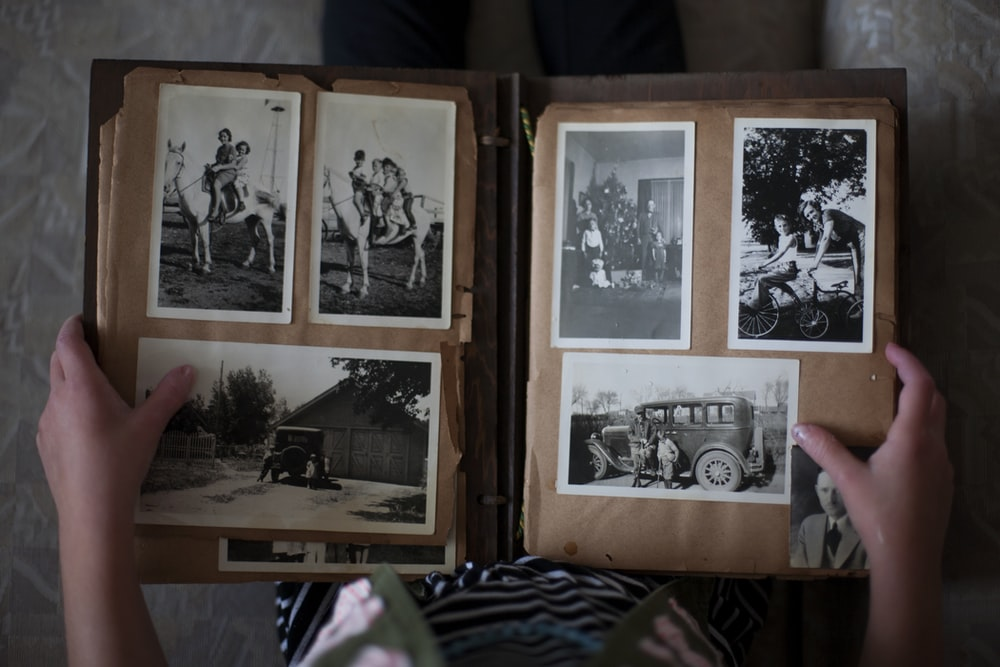
Many of the events your older relatives may share with you are decades old, and several people they’ll talk about are people you’ve never known.
Using photographs will help you and them as well. While photos will help them remember stories that may have slipped their minds, the same photos might help you put faces to the names they mention. This will make family research much easier for you, and it’ll also help you remember the stories better.
These are some ways you can make the most of your interviews, but if you still need help with your family research, feel free to reach out to us at DavisDNA And Family Research.
We offer traditional genealogy services and can help you find family history.
Call us for more information.