Family history is more than a collection of names, dates, and places.
Behind every record is a person who experienced relationships, challenges, celebrations, losses, and major life changes. Learning about those experiences can change how we understand not only our ancestors but also ourselves and the families we belong to today.
Healing through family history involves exploring the experiences that shaped previous generations and considering how those stories have influenced family relationships, traditions, values, and identities.
Through historical documents, personal memories, DNA discoveries, and conversations with relatives, genealogy can provide opportunities for connection and a deeper understanding of where a family has been.
Looking Beyond Names and Dates

Many people begin genealogy with a straightforward goal: find out who their ancestors were. As they research family history, however, the process often becomes much more personal.
Birth, marriage, death, census, immigration, military, church, and property records can gradually reveal the circumstances surrounding an ancestor’s life. A name on a census record may lead to information about an occupation, household structure, community, or migration. A marriage record may connect two previously unknown branches of a family.
These discoveries help transform a family tree from a collection of facts into a more complete family story. Traditional genealogy services can be especially valuable when records are scattered across archives, jurisdictions, databases, and historical collections.
Rediscovering Family Stories That Were Almost Lost
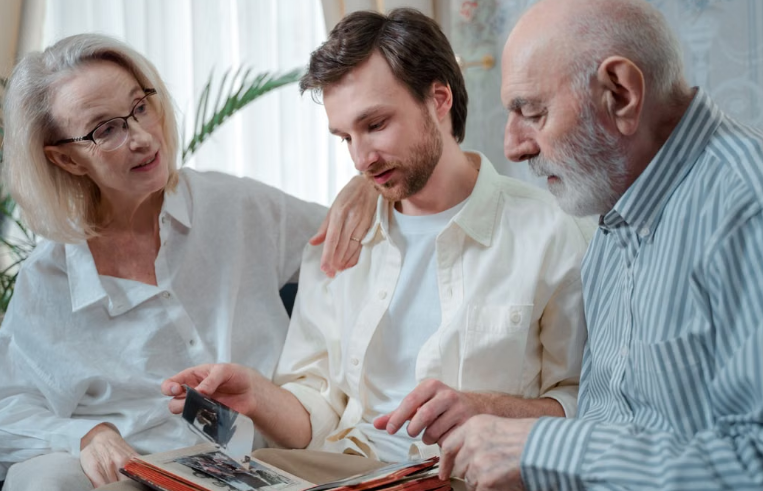
Every family has stories that become incomplete over time. Details may disappear as generations pass, particularly when memories were never written down or when certain subjects were rarely discussed.
Genealogical research can help bring some of those stories back into view.
Perhaps an ancestor moved repeatedly while searching for work. Another may have served in the military, raised children alone, experienced immigration, survived economic hardship, or built a new life far from their birthplace. Some discoveries may explain traditions or relationships that once seemed mysterious.
This process is an important part of healing through family history because it allows people to view earlier generations as individuals living within specific historical and personal circumstances.
Understanding those circumstances can provide valuable context for decisions and experiences that affected later generations.
Understanding Hardship and Family Resilience
Family history is not always comfortable. Research may uncover poverty, estrangement, adoption, displacement, early deaths, incarceration, conflict, discrimination, or other difficult experiences.
While genealogy cannot change the past, learning more about what happened can replace unanswered questions with historical context.
Researchers may discover that an ancestor endured circumstances family members never discussed openly. They may also learn how individuals adapted, rebuilt their lives, supported relatives, moved to new communities, or created opportunities for the next generation.
Recognizing this resilience can become an important part of understanding a family’s history. Instead of seeing isolated events, people can begin to recognize how families responded to hardship across generations.
Using DNA to Discover New Connections
Historical documents are not the only resources available to modern family researchers. Genetic genealogy has created new opportunities to identify biological relationships and investigate questions that traditional records cannot always resolve.
A professional DNA analysis service can examine genetic matches, shared DNA, family trees, documentary evidence, and relationship patterns to develop possible connections between individuals.
DNA evidence may help identify unknown relatives, clarify biological relationships, investigate unknown parentage, or provide leads when a traditional paper trail reaches a dead end.
However, DNA discoveries can also introduce unexpected or sensitive information. Results may reveal previously unknown relationships or contradict long-held family beliefs. For that reason, genetic genealogy requires careful analysis and responsible interpretation.
When DNA evidence is combined with traditional genealogy services, researchers can compare genetic findings with documentary records to develop a more complete understanding of family relationships.
Connecting With Living Relatives
One of the most meaningful outcomes of family research can be connecting with relatives, whether they are close family members or distant cousins.
A genealogical discovery might lead someone to a relative who possesses photographs, letters, family Bibles, certificates, diaries, recipes, or stories that exist nowhere else. Even a short conversation can provide details that would never appear in an official record.
These connections can also give relatives an opportunity to compare memories. Two family members may remember the same person very differently, and both perspectives can contribute to a fuller picture.
For people interested in healing through family history, these conversations can create opportunities to understand how stories have been remembered, changed, or forgotten across generations.
Preserving Memories Before They Disappear
Family history research is not only about discovering the past. It is also about preserving information for the future.
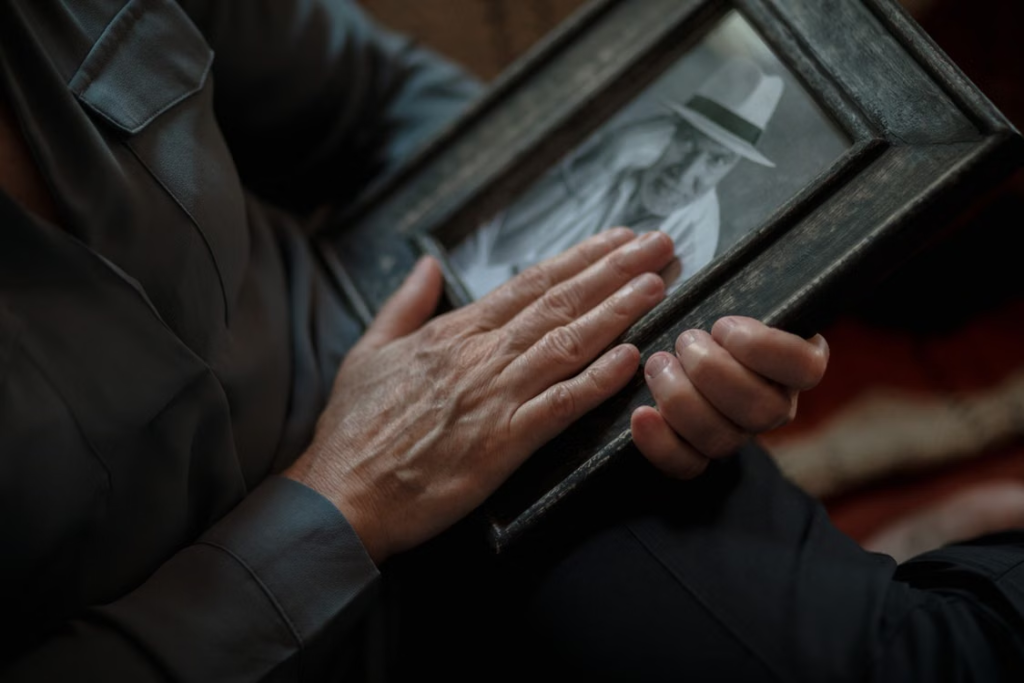
Older relatives may hold decades of memories that have never been documented. Recording interviews, labeling photographs, digitizing letters, saving family recipes, and writing down stories can prevent valuable information from being lost.
Consider asking relatives about childhood homes, family traditions, occupations, relationships, migrations, celebrations, and major historical events they witnessed. Open-ended questions often produce details that a simple list of names and dates cannot capture.
When people research family history, preserving these personal accounts alongside official records helps future generations understand the people behind their ancestry.
Finding Context for Difficult Family Experiences
Some family questions have remained unanswered for decades because records were unavailable, stories were deliberately withheld, or relatives simply did not know what happened.
Research may not resolve every difficult experience, but it can sometimes provide context.
Historical records can reveal where someone lived, when a family separated, whether an ancestor relocated, or what economic and social circumstances surrounded a major event. A DNA analysis service may offer additional evidence when biological relationships are uncertain.
This information does not automatically provide emotional closure, nor does it determine how someone should interpret a difficult family experience. Instead, genealogy can provide facts, possibilities, and historical context that allow individuals to develop a more informed understanding of their family story.
Whether you are investigating an unanswered family question, identifying biological relatives, preserving stories for future generations, or simply hoping to better understand where your family came from, professional research can help you uncover meaningful evidence.
DavisDNA and Family Research provides exceptional DNA research and traditional genealogy services for individuals seeking greater clarity about their ancestry and family connections.
By combining a professional DNA analysis with genetic genealogy services, DavisDNA and Family Research can help clients research family history using both genetic evidence and historical records.
Start exploring the people, experiences, and connections that shaped your family, and discover how understanding the past can bring greater meaning to the present.