Family history research is often compared to solving a giant puzzle. Every census record, birth certificate, marriage license, photograph, military file, and DNA match helps reveal another part of your family’s story. However, many researchers eventually encounter individuals who appear connected through records, shared locations, surnames, or DNA but cannot be confidently linked to their family tree. These are known as unlinked family clusters, and they can become some of the most fascinating challenges in genealogy.
While these unexplained connections may initially seem frustrating, they often provide valuable clues that lead to exciting discoveries. Whether you rely on historical documentation, a DNA analysis service, or both, understanding unlinked family clusters can help uncover hidden relationships, break through research barriers, and build a more accurate family tree.
What Are Unlinked Family Clusters?
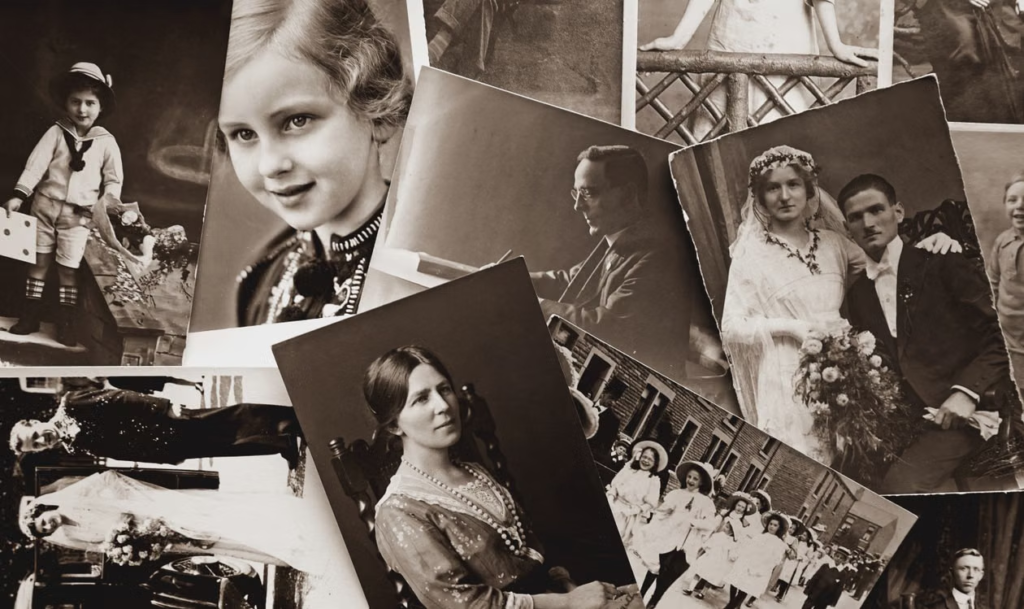
The focus keyword unlinked family clusters refers to groups of people who appear connected through historical evidence or shared DNA but whose exact family relationships cannot yet be documented.
Researchers commonly encounter situations such as:
- Several families with the same surname living within the same community.
- DNA matches who share significant genetic segments but cannot be connected using existing records.
- Individuals appearing together repeatedly in church registers, probate records, land deeds, or census records without documented family relationships.
- Families following similar migration patterns over multiple generations.
Although the available evidence strongly suggests a relationship, missing documentation prevents genealogists from placing these individuals into the family tree with complete confidence.
Rather than viewing these clusters as obstacles, experienced researchers recognize them as opportunities for further investigation.
Why Do Unlinked Family Clusters Occur?
Top of Form
Family history records have never been perfect. Throughout history, many circumstances have created gaps that continue to affect genealogy research today.
Lost or Destroyed Records
One of the most common causes of unlinked family clusters is the loss of historical records.
Many important documents have disappeared because of:
- Fires
- Floods
- Wars
- Natural disasters
- Poor record preservation
Essential records that may be missing include:
- Birth certificates
- Marriage licenses
- Death registrations
- Church registers
- Probate files
- Census records
Without these documents, proving family relationships becomes much more difficult.
Changing Surnames
Family names have changed frequently throughout history. Clerks often recorded names phonetically, spelling variations became common, and immigrants sometimes modified surnames after arriving in a new country.
A single family may appear under several different spellings across generations, creating confusion when trying to connect family lines.
Migration and Relocation
Families rarely remained in one location forever.
Economic opportunities, available farmland, industrial growth, and social changes encouraged many people to relocate. A family might disappear from records in one county only to appear decades later hundreds of miles away.
These moves often leave significant gaps that contribute to unlinked family clusters.
Informal Family Arrangements
Historical households were often more complicated than official records suggest.
Children were sometimes raised by grandparents, aunts, uncles, neighbors, or guardians without formal adoption records. Blended families, stepfamilies, and guardianship arrangements were common, yet official documents did not always explain these relationships clearly.
These situations frequently leave researchers with unanswered questions.
How DNA Is Transforming Family History Research
Modern DNA testing has changed the way genealogists solve difficult family mysteries.
While traditional records remain essential, a professional DNA analysis service provides biological evidence that can reveal relationships impossible to identify through paperwork alone.
DNA testing may uncover:
- Previously unknown cousins
- Shared ancestral lines
- Hidden family branches
- Unknown parentage
- Connections between individuals whose records have been lost
Rather than replacing historical research, DNA adds another valuable source of evidence that strengthens genealogical conclusions.
How Professional Genealogists Analyze Unlinked Family Clusters
Experienced researchers understand that no single document provides every answer.
Instead, they combine multiple research techniques to identify hidden relationships.
Studying Shared DNA Matches
One of the first steps involves examining people who share DNA with both the researcher and each other.
When several individuals share overlapping DNA matches, they often point towards a common ancestral family.
This process becomes significantly more effective with expert DNA research assistance, especially when analyzing complex family trees spanning multiple generations.
Comparing Geographic Locations
Location frequently provides important clues.
Professional researchers examine whether families:
- Lived in the same village or township
- Owned neighboring properties
- Attended the same church
- Appeared in identical tax records
- Served as witnesses at baptisms, marriages, or wills
Repeated geographical connections often suggest extended family relationships that official records fail to explain.
Examining Historical Records Together
Rather than analyzing each record separately, experienced genealogists compare entire communities.
They review:
- Census records
- Church registers
- Probate files
- Land ownership records
- Military service documents
- Local newspapers
- Tax records
Patterns often emerge that would otherwise remain unnoticed.
Using Cluster Research
One highly successful genealogy method is known as cluster research.
Instead of focusing only on direct ancestors, researchers investigate siblings, cousins, neighbors, business partners, and in-laws.
These surrounding individuals often provide the missing evidence needed to connect unlinked family clusters.
Historical Events That Created Unlinked Family Clusters
Many important historical events contributed to fragmented family records.
Immigration
Immigrant families often arrived with incomplete documentation.
Some changed their names, while others travelled years apart from close relatives. These separate journeys frequently produced disconnected documentary trails.
Wars and Conflict
Military conflicts displaced millions of families throughout history.
Deaths, border changes, evacuations, destroyed archives, and population movements created permanent gaps in historical records.
Economic Migration
Industrialization encouraged families to leave rural communities in search of employment in expanding cities.
As people relocated, they sometimes disappeared from one area’s records before appearing elsewhere under slightly different names or spellings.
Births Outside Marriage
Social customs often influenced how births outside marriage were recorded.
Some children were raised by extended family members without documentation explaining their biological relationships. These situations continue to create unanswered questions for genealogists today.
Can Modern Technology Help Solve These Mysteries?
Technology has become an invaluable tool for today’s researchers.
Modern genealogy software can compare enormous amounts of information far more quickly than manual research alone.
Many programs help identify:
- Shared DNA matches
- Common surnames
- Geographic patterns
- Migration routes
- Historical timelines
Artificial intelligence can also organize historical records and highlight possible connections between families.
Even with these technological advances, experienced researchers remain essential. Software can identify possibilities, but careful human analysis is required before confirming family relationships.
Why Traditional Research Still Matters
Some people believe DNA testing has replaced historical genealogy.
In reality, the strongest family history research combines genetics with traditional genealogy services.
Historical records continue to provide important details that DNA cannot explain, including:
- Full names
- Birth and death dates
- Occupations
- Property ownership
- Community involvement
- Family relationships documented through legal records
Together, documentary evidence and DNA create a stronger and more reliable picture of your family’s history.
Practical Tips for Researching Unlinked Family Clusters
If you encounter unlinked family clusters during your research, remaining organized and patient is essential.
Consider these practical strategies:
- Examine every available record instead of relying on a single source.
- Create detailed timelines for each individual.
- Compare witnesses, sponsors, neighbors, and associates appearing in documents.
- Look for recurring occupations and locations.
- Group DNA matches by shared ancestral lines.
- Maintain organized research notes.
- Seek expert DNA research assistance when genetic relationships become particularly complex.
- Continue to find ancestors online by searching newly digitized archives, local historical societies, newspaper collections, probate databases, and international genealogy resources.
Many difficult genealogy questions remain unanswered for years before new records or additional DNA matches provide the missing evidence.
Every Mystery Brings New Opportunities
Although unlinked family clusters may appear to slow your progress, they often represent some of the most rewarding opportunities in family history research.
They encourage researchers to think beyond direct ancestors and consider the wider communities, migrations, historical events, and family networks that shaped previous generations.
By combining careful historical investigation with a reliable DNA analysis service, researchers can uncover relationships that once seemed impossible to prove. Each new discovery strengthens your family tree and preserves a richer history for future generations.
If unexplained DNA matches or unlinked family clusters are preventing you from completing your family tree, professional guidance can help uncover the answers.
DavisDNA and Family Research provides exceptional DNA research and genetic genealogy services, combining advanced DNA analysis with detailed historical investigation to identify hidden family connections.
Whether you need a DNA analysis service, traditional genealogy services, expert DNA research assistance, or help to find ancestors online, our experienced team is ready to help you discover the missing pieces of your family’s history.
Contact DavisDNA and Family Research today and take the next step towards uncovering your family’s unique story.