Tracing an ancestor who crossed oceans in search of opportunity can feel overwhelming, but it’s also one of the most rewarding journeys in genealogy. If you’re trying to trace immigrant ancestors, you’ll need a combination of historical records, persistence, and modern tools like DNA testing for ancestry.
In this guide, we’ll walk through key record types, common research challenges, and how to connect documents across countries to help you discover your family history with clarity and confidence.
Start with What You Know

Before diving into overseas archives, gather as much information as possible from home sources:
- Family Bibles and letters
- Obituaries and funeral records
- Oral histories from relatives
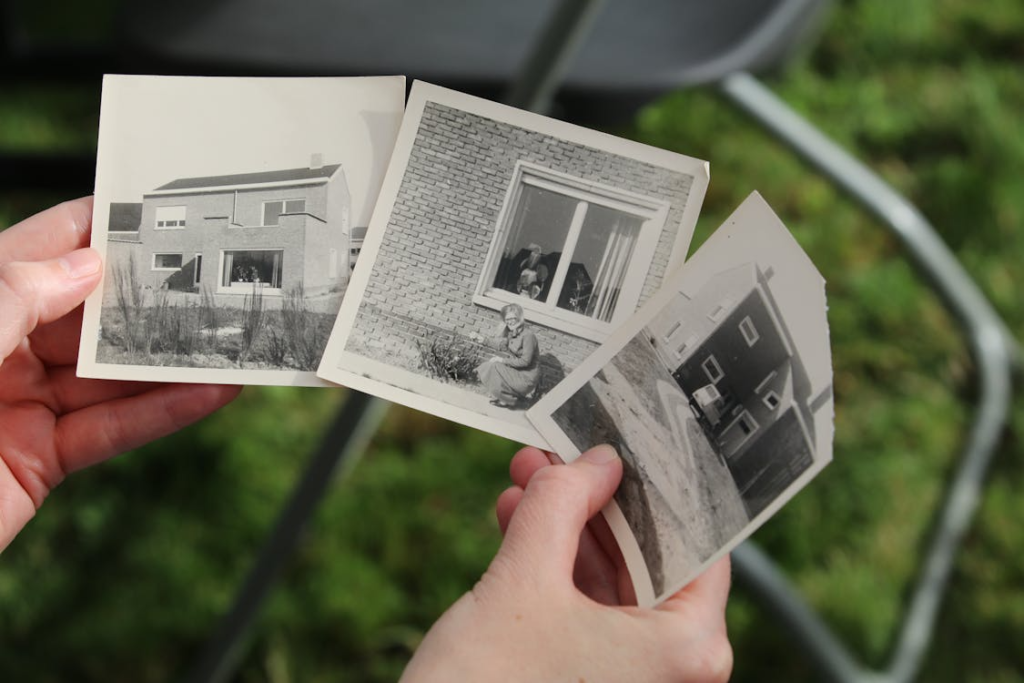
- Photographs with handwritten notes
Even small details, like a port city name or a family nickname, can unlock breakthroughs when trying to trace immigrant ancestors.
Document everything carefully. Immigration research often involves comparing names, ages, and locations across multiple countries.
Passenger Lists: The First Overseas Clue
Passenger arrival lists are often the first official record of an immigrant ancestor entering a new country.
What You’ll Find in Passenger Lists
- Full name (sometimes with original spelling)
- Age and occupation
- Last residence
- Name of a relative in the home country
- Final destination
These records can help you connect an ancestor to their village of origin, a crucial step if you want to find family history through genealogy research abroad.
Research Tip
Be flexible with spelling variations. Names were often anglicized or misheard by officials. Try alternate spellings and initials when searching databases.
Naturalization Records: Citizenship Clues

Naturalization documents can be goldmines for genealogists.
Key Documents to Look For
- Declaration of Intention
- Petition for Naturalization
- Certificate of Naturalization
These often include:
- Birth date and birthplace
- Arrival date and ship name
- Former nationality
- Witnesses (sometimes relatives)
If you’re working to trace immigrant ancestors, naturalization papers may provide the most precise birthplace information available.
Census Records: Tracking Movement Over Time
Census records help you follow an immigrant’s life after arrival.
In countries like the United States, census forms often include:
- Year of immigration
- Citizenship status
- Occupation
- Household members
Comparing census years allows you to see:
- When the ancestor arrived
- Whether they returned to their home country temporarily
- When family members joined them
Census research is critical if you want to discover your family history beyond just the arrival event.
International Archives: Crossing Borders in Research
Once you identify the hometown or region abroad, your research shifts to international records.
Common Overseas Sources
- Parish registers (birth, marriage, death)
- Civil registration records
- Military conscription files
- Local land or tax records
Many archives are now digitized, but some require direct contact or in-person research. Understanding local languages and naming traditions becomes essential when attempting to trace immigrant ancestors across borders.
Using DNA to Break Through Brick Walls
Sometimes paper records aren’t enough. That’s where DNA testing for ancestry becomes powerful.
How DNA Testing Helps
- Connects you with genetic relatives worldwide
- Confirms suspected family lines
- Identifies ancestral regions
- Reveals previously unknown family branches
Through family history DNA analysis, you can compare your results with others in databases to uncover shared ancestors.
Genetic Genealogy: Blending DNA and Records
Genetic genealogy combines documentary research with DNA evidence.
For example:
- A passenger list identifies a possible hometown.
- Parish records show several families with the same surname.
- DNA matches confirm which branch belongs to your line.
This layered approach strengthens conclusions and helps you find family history through genealogy with greater accuracy.
Professional genealogists often use triangulation methods, comparing multiple DNA matches who descend from the same ancestral couple, to confirm relationships.
Common Challenges in Immigration Research
Tracing overseas ancestors isn’t always straightforward. Here are some common hurdles:
1. Name Changes
Immigrants often changed or simplified their names. Always search variations.
2. Missing Records
Wars, fires, and natural disasters destroyed many historical documents.
3. Language Barriers
Records may be written in Latin, German, Polish, Italian, or other languages.
4. Multiple People with the Same Name
Common names require extra care; use occupations, witnesses, and family members to differentiate individuals.
When obstacles arise, combining genetic genealogy research in Florida with DNA testing for ancestry can help confirm the correct lineage.
Connecting Records Across Countries
One of the biggest goals when you trace immigrant ancestors is linking records from the old country to records in the new one.
To make solid connections:
- Match ages across documents
- Compare occupations
- Look for consistent family members
- Use naming patterns (such as traditional first-born naming customs)
- Confirm relationships with family history DNA analysis
Never rely on a single record. Genealogical proof requires multiple pieces of supporting evidence.
Building a Research Timeline
Creating a chronological timeline can clarify confusing migration patterns.
Include:
- Birth date in the home country
- Departure date
- Arrival date
- Marriage and children
- Naturalization
- Death
A well-organized timeline helps you see gaps and inconsistencies, making it easier to discover your family history with confidence.
Why Professional Help Can Make a Difference
Immigration research often requires specialized expertise:
- Understanding international archives
- Interpreting historical handwriting
- Applying advanced genetic genealogy techniques
- Navigating legal records for probate or dual citizenship
Professional researchers combine archival skills with adoptee DNA search services to help families reconnect with their heritage.
If you’ve hit a roadblock, expert guidance can save time and prevent costly research errors.
Bringing the Journey Full Circle
Tracing ancestors who emigrated overseas is more than a research project; it’s a way to honor resilience, sacrifice, and heritage.
When you trace immigrant ancestors, you:
- Reconnect generations
- Restore lost family stories
- Understand cultural traditions
- Strengthen identity
Through passenger lists, naturalization records, census data, international archives, and DNA testing for ancestry, you can piece together a global story that spans continents.
Ready to Trace Your Immigrant Ancestors?
If you’re ready to take the next step in your research journey, professional support can make all the difference.
DavisDNA and Family Research provides excellent family research services and Hire Genetic Genealogist, combining traditional archival expertise with advanced family history DNA analysis and paid genealogy research company. Whether you’re just beginning to discover your family history or need help connecting records across countries, our experienced team can guide you toward meaningful answers.
Start uncovering your family’s overseas journey today with probate heir search company, and bring your history home.