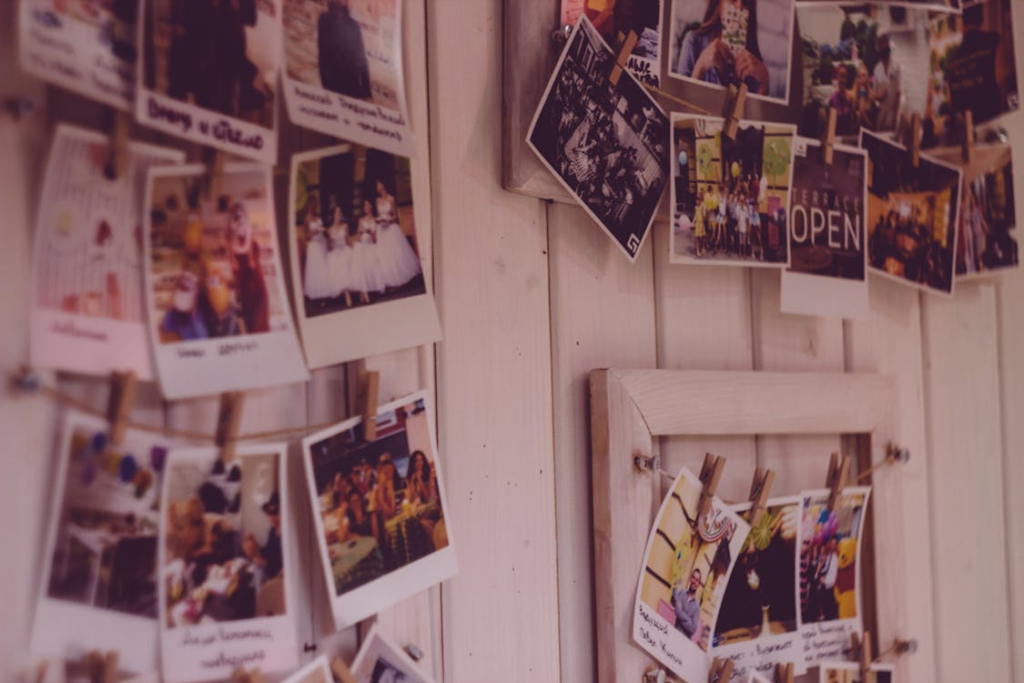
If you’ve ever opened an old box, drawer, or hard drive filled with thousands of unlabeled photos, you know how overwhelming family memories can feel. Decades of prints, negatives, albums, and digital files often end up scattered and disorganized, making it difficult to organize your family photos in a way that truly preserves your legacy.
The good news? With the right approach, turning photo chaos into a meaningful, searchable archive is easier than you think. Whether you’re preserving memories for future generations or hoping to discover your family history, this guide will walk you through practical steps for organizing family photos, both physical and digital, while connecting them to deeper genealogical insights.
Why Organizing Family Photos Matters
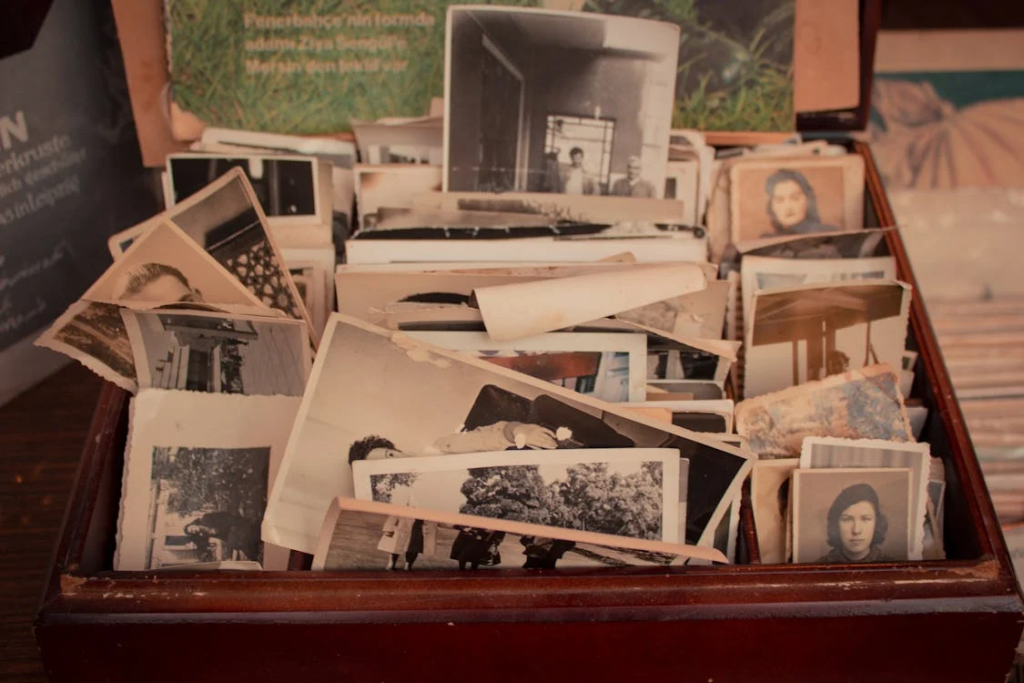
Family photos are more than images; they are historical records. Each picture holds clues about relationships, locations, traditions, and timelines. When properly organized, your photos can help you find family history through genealogy, complement written records, and even support modern tools like DNA testing for ancestry.
An organized photo archive:
- Preserves fragile memories before they fade or deteriorate
- Makes it easy to identify people, places, and dates
- Supports family trees and family history research
- Creates a meaningful legacy for future generations
Physical vs. Digital Photo Organization: Which Is Better?
When deciding how to organize your family photos, it’s important to understand the strengths of both physical and digital systems.
Physical Photo Organization
Physical photos offer a tangible connection to the past. Holding a photo album can be deeply emotional, especially when sharing memories with older relatives.
Best practices for physical photos:
- Use acid-free photo boxes and albums
- Store photos in a cool, dry, dark environment
- Avoid paper clips, rubber bands, or tape
- Separate originals from copies
While physical organization preserves authenticity, it’s not always practical for large collections or long-term accessibility.
Digital Photo Organization
Digital organization provides flexibility, searchability, and security. Once photos are digitized, you can tag, label, back up, and share them easily.
Digital systems make it much easier to connect photos to research from family history, DNA analysis, or genealogical records, helping you visually document your family’s story.
Step-by-Step: Sorting Techniques That Actually Work

Sorting is often the most time-consuming part of organizing family photos, but it doesn’t have to be stressful.
1. Start with Broad Categories
Begin by grouping photos into simple, manageable categories:
- By decade (1950s, 1960s, 1970s, etc.)
- By family branch (maternal, paternal)
- By major life events (weddings, holidays, reunions)
Avoid trying to identify every person right away. The goal is progress, not perfection.
2. Narrow Down Gradually
Once photos are grouped, refine them further:
- Identify individuals when possible
- Add approximate dates if exact ones are unknown
- Group duplicates or similar shots together
This step makes it easier to organize your family photos without becoming overwhelmed.
Naming Conventions: The Secret to Searchable Archives
Consistent naming conventions are essential for digital photo organization. A well-named file saves hours of frustration later.
Recommended file name format:
Year-Month-Day_Location_People_Event.jpg
Example:
1978-06_Chicago_SmithFamily_Reunion.jpg
If dates are unknown, estimate:
circa1960 or 1950s
Clear naming conventions help link photos to genealogical records, making it easier to discover your family history and connect images to family trees or DNA research.
The Importance of Scanning Old Photos
Scanning is one of the most critical steps in preserving family photos. Prints fade, crack, and can be lost forever, but digital copies last.
Why Scanning Matters
- Protects irreplaceable originals
- Enables backups and cloud storage
- Allows easy sharing with relatives
- Supports integration with genealogy platforms
Scan photos at a minimum of 300 DPI for standard use and 600 DPI for archival purposes. Don’t forget to scan the backs of photos; handwritten notes often contain valuable family history details.
Once scanned, your photos become powerful tools that can complement online DNA analyst in Florida, helping you visually confirm relatives discovered through genetic matches.
Creating Labeled, Manageable Photo Archives
A photo archive is only useful if it’s easy to navigate.
Digital Folder Structure Example
- Family Photos
- Paternal Line
- Grandparents
- Parents
- Maternal Line
- Grandparents
- Parents
- Events & Milestones
- Paternal Line
Within each folder, use your naming conventions and metadata tags. Add descriptions, names, and locations whenever possible.
This structure supports research methods like family history DNA analysis in Belleair and genetic genealogy, making it easier to cross-reference images with documents, timelines, and DNA matches.
Connecting Photos to Genealogy and DNA Research
Organized family photos become even more powerful when paired with genealogy research. Photos can:
- Confirm identities discovered through DNA matches
- Add context to ancestors uncovered through DNA testing for ancestry
- Support efforts to find family history through genealogy
When you match a face to a name, or a photo to a genetic connection, you transform scattered memories into a meaningful family narrative.
Maintaining Your Photo Collection Over Time
Once you organize your family photos, maintenance is key:
- Schedule yearly photo reviews
- Back up digital files in multiple locations
- Label new photos immediately
- Encourage family members to share and identify images
A little upkeep ensures your archive stays organized and valuable for generations.
Turn Your Family Photos into a Lasting Legacy
Organizing decades of family photos doesn’t just preserve memories; it unlocks stories, connections, and identities waiting to be rediscovered. When combined with genealogy and DNA research, your photo archive becomes a powerful tool to discover your family history and strengthen your family’s legacy.
If you want expert guidance, DavisDNA and Family Research provides excellent family history research services, helping families organize historical records, integrate DNA results, and bring clarity to complex family histories. Take the next step today and transform your family photos from messy to meaningful. Connect with us.