
The Civil War is an integral part of our history, and nearly every person living in the United States at that time was affected by it.
The war fought between 1861 and 1865 involved about 3.5 million soldiers from both sides—many of whom had lost their lives by the war’s end. Given the significant percentage of the population that participated directly in the conflict, there’s a good chance that you’ll find one or more civil war soldiers in your family tree.
Here are a few hints for finding civil war ancestors in your family’s history.
Explore the Civil War Soldiers and Sailors Database
You can use the free National Park Service website to find some initial information, including the soldier’s name, the side he fought on, his state, unit, and function. The database has information on over 6 million soldiers and thousands of sailors.
If you already have your ancestor’s name, which army, and the state he served from, you can start looking up his unit. Besides using the database, you can also confirm this information by using other sources. For instance, if your ancestor fought for the Union, he may have joined the US Regulars or a volunteer regiment from his home state—you can use such clues to find new leads.
Look into Service and Pension Records
Once you have basic information like the name, state, and regiment, you need to gear your search toward pension and service records. These are some of the most vital records you’ll come across when it comes to civil war ancestors— they hold the lion’s share of the information you need.
Most people who fought in the Civil War and their families applied for pensions from the US government. Details about these pensions can be found in the National Archives, or in the case of Confederate Civil War Pension Records, you’ll find them in state archives or other similar agencies. By using your ancestors names to search these pension indexes, you can find out if they, or their dependents, including parents, spouses, or children, ever applied for a pension.
Try and Find Burial Information
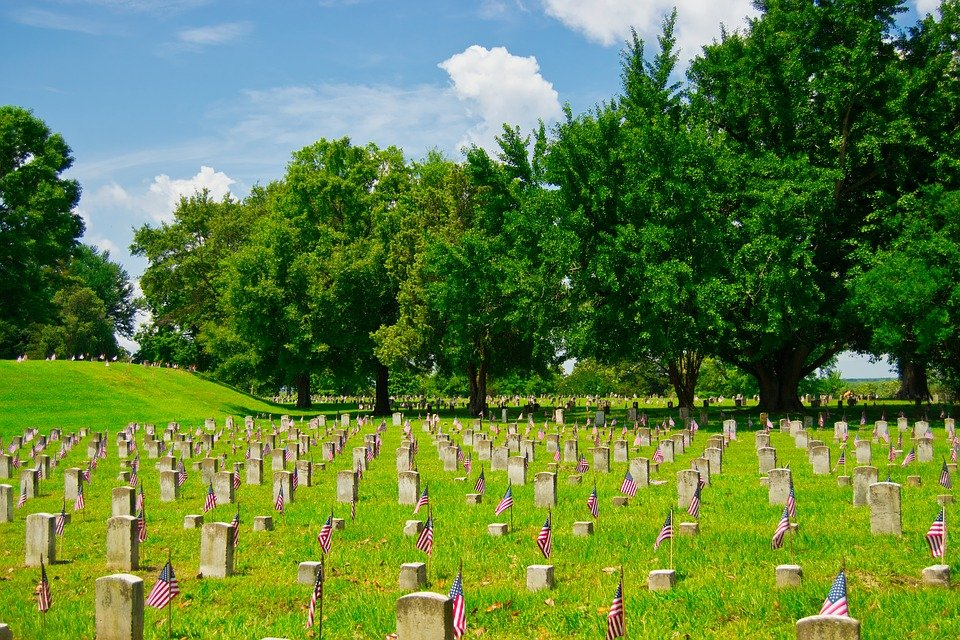
The first few National Cemeteries were created during the war in 1862 for those who had died as a result of the Civil War. Every honorably discharged veteran, including those who fought for the CSA, were declared eligible for burial in the cemeteries in 1873.
While many Civil War veterans may have been buried unidentified, there’s a good chance that you’ll find your ancestor in one of the national or state veteran cemeteries. Their burial sites could provide additional valuable information. For instance, a headstone might mention the veteran’s state and unit number.
Given the easy accessibility to online records these days, it’s quite possible to find your civil war ancestors on your own—it’ll require a fair bit of legwork, though.
If you’re finding it too challenging, reach out to us for the best DNA consultants and ask about our traditional genealogy services.
At DavisDNA And Family Research, we also offer expert DNA research assistance and other genealogy services to make family research easier for you.
Get in touch to learn more.