For many families, understanding Indian heritage goes far beyond names on a family tree. Historical migration, regional traditions, language shifts, and community connections have shaped generations across the Indian subcontinent and around the world. Today, modern DNA testing is helping people uncover connections that traditional records alone may not fully explain.
Through Indian ancestry DNA research, individuals can gain deeper insight into family origins, migration routes, and ancestral communities while combining those findings with historical documentation and oral history. When paired with a trusted DNA analysis service and strong documentary research, DNA testing can open new paths toward understanding your family history.
Why Indian Ancestry Research Can Be Complex

Researching Indian ancestry often comes with unique challenges. Many families experienced migration across regions, countries, and continents due to trade, colonial history, partition, military service, or economic opportunities. Records may exist in multiple languages, religious archives, or regional systems that are difficult to access.
In some cases, surnames changed over time or were adapted after relocation to countries such as the United Kingdom, South Africa, Fiji, Guyana, Trinidad, Canada, or the United States. This can make it difficult to trace earlier generations through documents alone.
That is why many families now combine traditional genealogy services with DNA evidence to create a more complete picture of their ancestry.
How DNA Testing Expands Indian Family Research
DNA testing can help identify relationships and ancestral patterns that may not appear in written records. While documents remain essential, DNA results can provide another layer of evidence that supports family history research.
Several types of DNA tests are commonly used in Indian ancestry DNA research:
Autosomal DNA Testing
Autosomal DNA testing examines inherited DNA from both parents and can identify relatives across multiple family lines. This type of testing is especially useful for:
- Finding living relatives
- Identifying regional ancestry connections
- Confirming family relationships
- Supporting adoption or unknown parentage research
- Expanding family trees
Autosomal testing often connects people with relatives across the global Indian diaspora, including matches in countries affected by historical migration patterns.
Y-DNA Testing
Y-DNA testing traces the direct paternal line and is passed from father to son. This test can provide insight into paternal lineage, surname studies, and ancient migration routes connected to South Asian populations.
Mitochondrial DNA Testing
Mitochondrial DNA testing follows the direct maternal line. It can help researchers understand maternal ancestry and identify deep ancestral origins connected to specific populations or migration histories.
Understanding Regional Migration Patterns in India
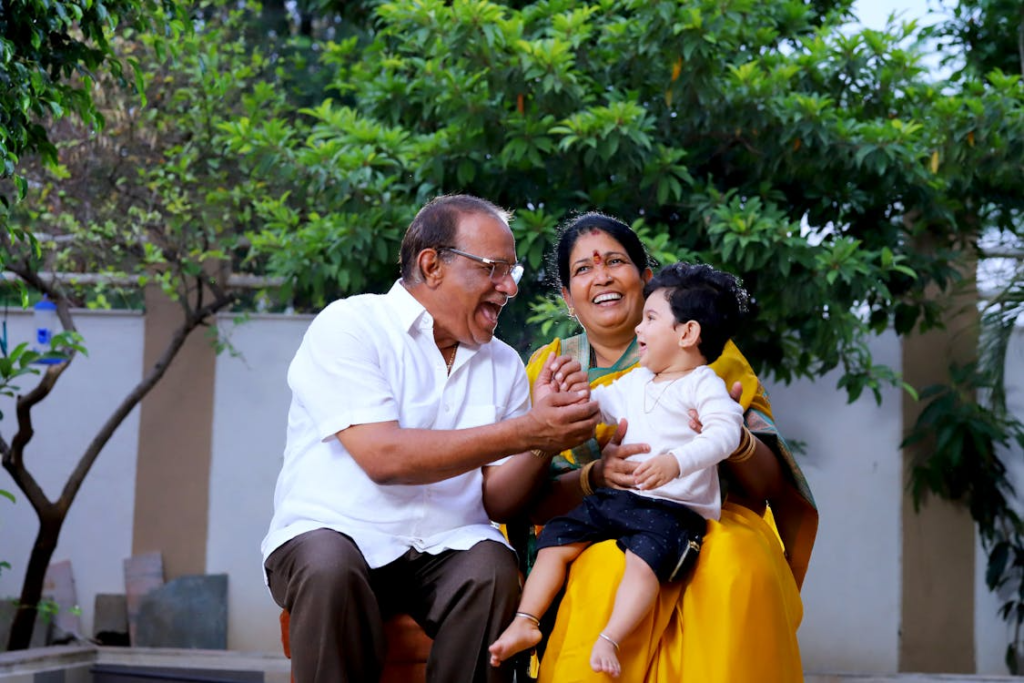
India’s history includes centuries of movement between regions, kingdoms, trade centers, and neighboring countries. DNA results often reflect this complexity.
For example, families from Punjab may show connections extending into Pakistan due to historical ties before Partition. South Indian ancestry may include markers linked to coastal trade networks with Southeast Asia, the Middle East, or East Africa. Bengali ancestry can reflect movement between modern-day India and Bangladesh.
DNA testing may also reveal ancestral links connected to:
- Indo-Caribbean migration
- Indian indentured labor communities
- Persian and Central Asian influences
- Portuguese colonial settlements
- Sikh, Hindu, Muslim, Christian, Jain, or Parsi family histories
- Tribal and indigenous populations within India
A professional DNA analysis service can help interpret these findings carefully and place them into historical context.
Caste and Community Lineage Clues
Many people researching Indian ancestry are interested in understanding possible caste, clan, or community connections. While DNA testing cannot directly identify caste identity with certainty, it can sometimes reveal patterns associated with long-standing community groups and regional populations.
Certain communities historically practiced endogamy, meaning marriage within the same social or regional group. Over generations, these patterns can create distinct DNA clusters that researchers may identify through genetic analysis.
DNA findings may support research into:
- Sikh clan histories
- Brahmin lineages
- Gujarati merchant communities
- South Indian family groups
- Tribal ancestry
- Muslim family migration histories
- Parsi ancestry
- Indo-Caribbean and diaspora family origins
However, DNA evidence should always be interpreted responsibly and alongside historical records. Experienced researchers providing expert DNA research assistance can help families avoid misinterpretation and place findings within the proper genealogical context.
Combining DNA Results with Traditional Records
DNA testing is most effective when paired with documentary research. Many breakthroughs happen when genetic matches are combined with:
- Census records
- Immigration documents
- Religious records
- Military records
- Land ownership records
- Passenger lists
- Oral family histories
- Newspaper archives
- Probate records
- Historical maps
For example, a DNA match may connect two families with roots in Gujarat. Traditional records could then confirm shared migration patterns to East Africa or the Caribbean during the colonial period.
This combined approach allows researchers to move beyond ethnicity estimates and develop a stronger understanding of family history.
Professional traditional family research services often help organize and verify these findings to ensure accuracy.
The Importance of Genetic Matches
One of the most valuable aspects of DNA testing is the ability to connect with genetic relatives. Many people researching Indian ancestry discover cousins and extended family members living in different parts of the world.
These matches can help:
- Fill gaps in family history
- Confirm ancestral villages or regions
- Share photographs and documents
- Clarify surname changes
- Identify unknown branches of a family tree
- Support adoption and reunification research
People seeking to find ancestors online often use DNA databases alongside historical archives to expand their research possibilities.
Common Challenges in Indian DNA Research
Although DNA testing can provide valuable insight, interpreting results is not always straightforward.
Limited Historical Records
Some records may have been lost, poorly preserved, or never formally created. Rural areas may have fewer accessible archives than major cities.
Regional Overlap
Many South Asian populations share overlapping genetic markers. This can make it difficult to assign ancestry to a single modern region or identity.
Diaspora Migration
Families who moved generations ago may have limited knowledge of their original ancestral communities. DNA testing can provide clues, but careful interpretation is necessary.
Endogamy
Because some communities historically married within their own groups, DNA matches may appear more closely related than they actually are. This requires careful analysis by professionals experienced in South Asian genetic research.
This is why many families seek expert DNA research assistance when interpreting complex DNA results.
Using Technology to Find Ancestors Online
Modern genealogy platforms and DNA databases have made it easier than ever to find ancestors online. Digital archives now include millions of historical records from India, the United Kingdom, the Caribbean, South Africa, and other regions connected to Indian migration history.
Researchers can search for:
- Immigration records
- Birth and marriage records
- Historical newspapers
- Military service records
- Cemetery records
- Community histories
- DNA matches and family trees
Online collaboration also allows relatives across countries to work together on shared ancestry research.
Building a More Complete Family Story
DNA testing is not simply about percentages or ethnicity estimates. For many families, it is about understanding identity, preserving history, and reconnecting with generations that may have been separated by migration or historical events.
Combining a trusted DNA analyst Belleair in Florida with historical research can help uncover stories that might otherwise remain hidden. Whether you are exploring village origins, tracing diaspora migration, or reconnecting with unknown relatives, modern genealogy tools can provide meaningful insight into your heritage.
If you are ready to explore your heritage through Indian ancestry DNA research, professional guidance can make a significant difference in understanding your results accurately and thoroughly.
DavisDNA and Family Research provides exceptional Genetic Genealogist for DNA Research in Florida, forensic genealogy services, and genetic genealogy services designed to help families uncover connections, interpret DNA findings, and build a stronger understanding of their ancestry through both historical records and advanced genetic analysis. Connect with us today to get started.