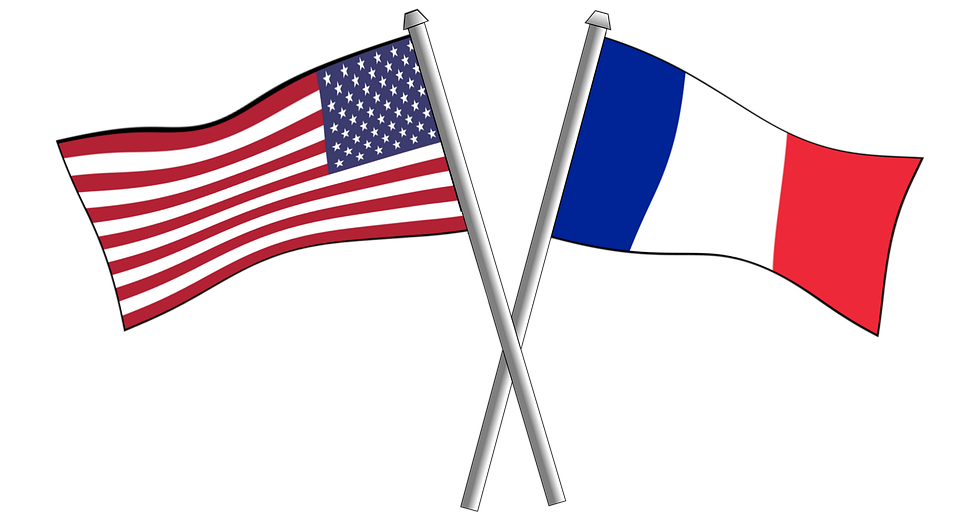
If you’re familiar with our country’s history, you might’ve heard how deeply it’s interwoven with immigration from France. According to the Census Bureau, French immigrants came to our shores as far back as the 16th century and have substantially shaped our collective ancestry since. From discovering and naming areas like Baton Rouge (‘red stick’ in French) to marrying into a family that gave us our first president, French influences are prominent throughout American history.
Curious to explore your French roots? Here are three useful tips to help you.
1. Collect And Organize As Much Primary Information As Possible
The place to start is at the beginning – so if you’re eager to head down this road, it’s time to organize the information at hand by collecting primary information from living ancestors like grandparents and great-grandparents.
Ask them if they have records or pictures of family crests. When/where were they born? Did they migrate to different parts of the country since their birth? Write all of this information down before cross-checking it against past censuses. This will give you a set of family names to research further as you go about exploring your French roots. Don’t forget Canadian records – many French Canadians migrated south over the course of centuries, often settling in Louisiana and New England.
2. Research the Origins of Your Female Ancestors’ Maiden Names
A woman taking her husband’s name is an age-old wedding tradition. Interestingly, we still write a woman’s maiden name using the term ‘née’ (French for ‘originally called’)—and such name changes have the potential to blur potential French origins. This is why it’s crucial to check whether your female ancestors’ maiden names are French; It’s a surefire way of spotting French roots. Once you’re certain the name’s French, you can research the origin of the name and trace it back to families/areas in France.
It’s important to remember that some names are stylized differently as time passes; For instance, Garrault may be spelled Garau, Garo, Gareau or Gareaux. Therefore, if you see any unique maiden names, consider how they’re pronounced in addition to how they’re written.
3. DNA Heritage and Ethnicity Research
Companies like MyHeritage, Ancestry and others have provided insights into ethnic heritage since about the 90s. These estimates have been refined and improved over the years as technology has evolved, and their customer databases have grown. Use this information as a window into your past – you may well find clues to your French ancestry there!
The tips we’ve mentioned above are a great starting point for discovering and exploring your French roots. Once you’ve followed them, we recommend reaching out to our genealogy experts at DavisDNA And Family Research.
With over 50 years of genealogy experience, we’re well-positioned to help you build on the information you have on hand and coach you on the optimal ways of evaluating your records and verifying dates/locations. We also provide guidance on what DNA tests to take and how to accurately interpret the results as part of our professional genealogy services.
Browse our services to explore your potential French roots with experienced investigative genealogists!