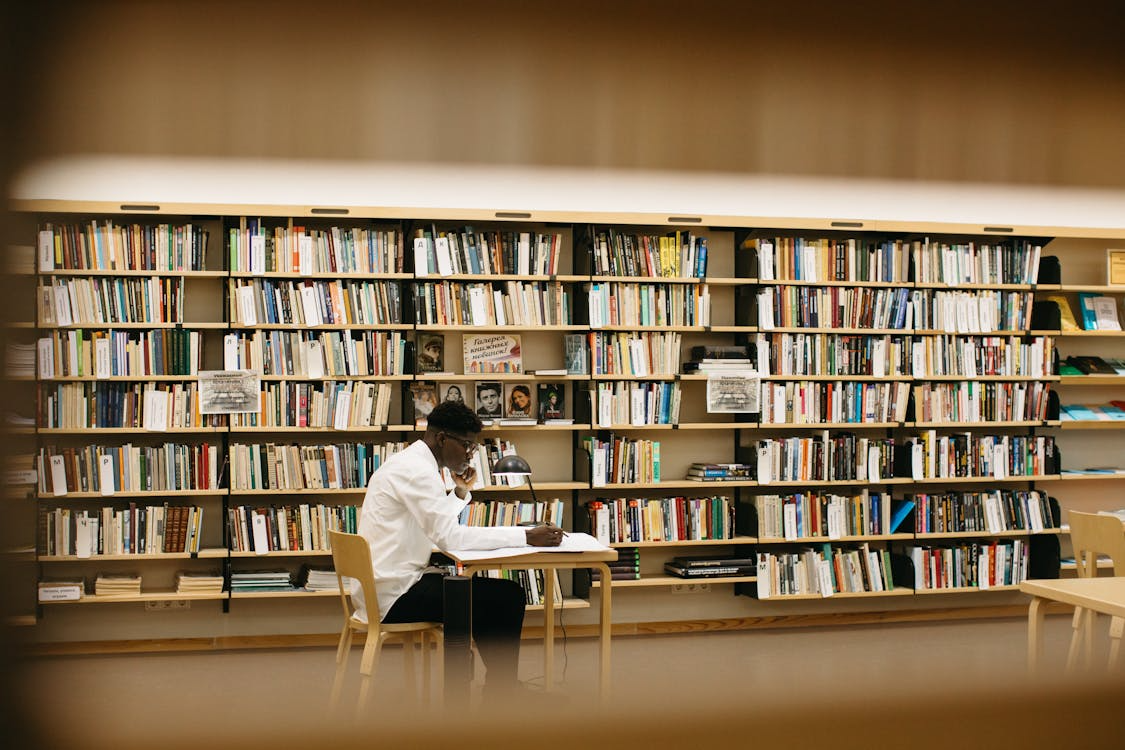
Thanks to the internet, everything from the smallest details to important records are all mere clicks away. This is why a trip to an old courthouse, public library, or might seem unnecessary to many.
However, websites and online archives can only help so much. If you really want to get down to the nitty-gritty, you’ll eventually have to visit a local court, library, or some other repository for in-depth family research.
Here are some tips to help you make the most of your visit.
Do Prior Research Before You Make The Trip
Leaving without previously having researched your topic would most likely not result in a very productive trip. You need a research plan, so ideally, start by listing out all the specific documents or information you’re looking for – and make your list as detailed aspossible. It will help you immensely in the long run
Once you have your research goals clearly defined, you need to scout the location, i.e., figure out who had jurisdiction over the area you’re researching. This means having to consider any changes in boundaries.
Once you’ve figured out the geographical aspect, you’ll also need to look into the technical aspects. For instance, you’ll want to know who exactly has the records—and where – for example, are you likely to find them in a local courthouse, or have they been transferred to a different repository? Moreover, before you travel, it would make sense to make some calls to be sure the records are even available to the public.
Some Essentials You Should Carry
When preparing for your trip to an archive, library, or courthouse, make sure that you have everything you need for your research—not having an adequate supply of essentials will just result in wasted time and effort.
Here are a few things to pack:
- Pencils, a notepad or a notebook, or your electronic tablet/laptop
- A camera with extra batteries or your cellphone
- Flash drive
- Yellow cellophane and a magnifying glass (for microfilms)
- Your research notes, charts, and other essential papers
- Paper clips and a stapler
- A checkbook, dollar bills and a supply of coins
Most of these items will come in handy during research in a public institution— and they will certainly help you save both time and effort!
Make Useful Notes And Take Lots Of Pictures
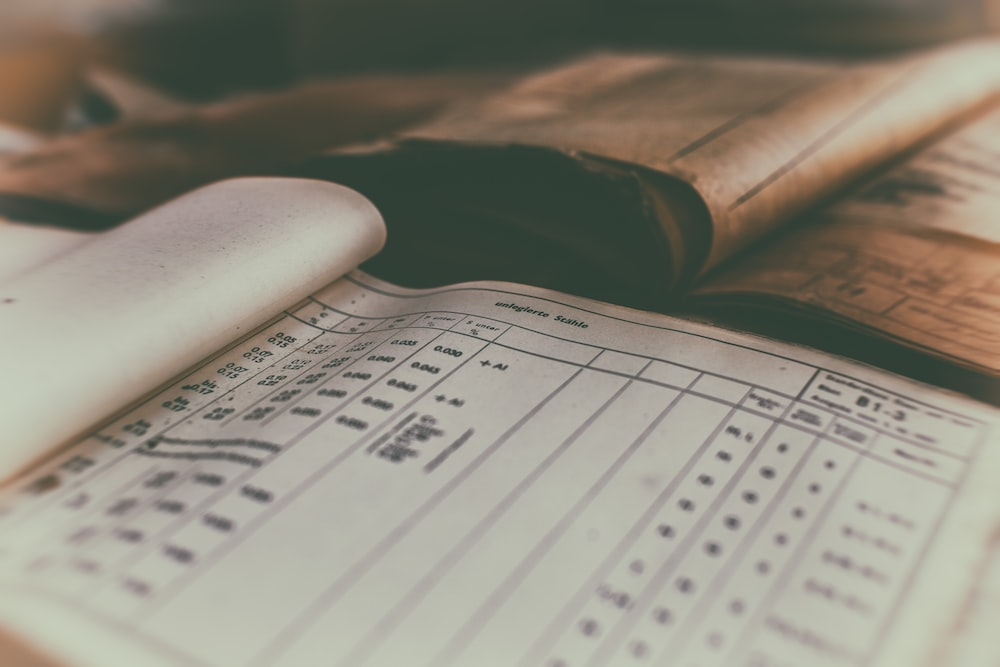
Of course, if you’re taking all those pencils and the camera, we want you to put them to good use. The fact is that most of these libraries and courthouses will only be open for limited hours a day, and there are only so many conclusions you can reach on-site.
That’s the most important reason to take photos of anything that seems important and note everything that comes to mind while you’re there. When you get back home or to your hotel, you can go over the notes and photographs in detail to extract the information you need for your research. If possible, make multiple copies of the documents you find instead of just taking pictures.
And, of course, if there is a document or information you just can’t seem to get your hands on, you can reach out to us at DavisDNA And Family Research. We offer traditional genealogy services and can help you find biological family roots. In fact, we can help you connect with local researchers who can make these important trips to the courthouse or library on your behalf and find the information you’re looking for.