Costa Rica is often celebrated for its natural beauty and peaceful society, but its cultural identity runs much deeper. The story of Costa Rican heritage is shaped by generations of Indigenous communities, Spanish colonization, and Afro-Caribbean influence. Each of these elements contributes to a rich cultural lineage that continues to evolve today. For individuals interested in tracing their roots, exploring this heritage can reveal meaningful connections to family, tradition, and history.
With the help of a DNA analysis service, traditional genealogy services, and expert DNA research assistance, it has become easier than ever to find ancestors online and uncover the layers of Costa Rican identity.
Indigenous Foundations of Costa Rican Identity
Long before European arrival, Costa Rica was home to diverse Indigenous groups such as the Bribri, Cabécar, Boruca, and Chorotega. These communities developed complex societies with their own languages, spiritual beliefs, and social systems. Their connection to the land remains a central part of Costa Rican heritage.
Indigenous traditions continue to influence modern Costa Rican culture. From artisanal crafts to agricultural practices, many customs have been preserved and passed down through generations. Genealogy research services often uncovers Indigenous ancestry that may not be immediately visible in family records. This is where a DNA analysis service becomes especially valuable, helping individuals identify ancestral links that written documents may not capture.
Spanish Colonization and Cultural Transformation

The arrival of Spanish settlers in the 16th century marked a significant turning point in Costa Rican heritage history. Unlike other parts of Latin America, Costa Rica did not develop large colonial cities or extensive plantation systems early on. Instead, it remained relatively rural, with small farming communities shaping its social structure.
Spanish influence is still evident in the country’s language, religion, and governance. Catholic traditions, Spanish surnames, and agricultural practices became deeply embedded in daily life. Over time, intermarriage between Spanish settlers and Indigenous populations contributed to a mixed cultural identity.
For those researching their lineage, traditional genealogy services can help trace Spanish ancestry through church records, immigration documents, and historical archives. When combined with expert DNA research assistance, these records can provide a more complete picture of familial origins.
Afro-Caribbean Influence on the Caribbean Coast
Another essential component of Costa Rican heritage history is the Afro-Caribbean community, particularly along the Caribbean coast in regions like Limón. In the late 19th and early 20th centuries, workers from Jamaica and other Caribbean islands migrated to Costa Rica to help build the railroad and work in banana plantations.
These communities brought with them their own languages, music, cuisine, and cultural traditions. Today, Afro-Caribbean heritage is a vibrant part of Costa Rican identity, influencing everything from calypso music to culinary staples like rice and beans cooked in coconut milk.
Genealogy research can help individuals uncover Afro-Caribbean ancestry that may be tied to migration patterns and labor history. Using a DNA analysis service alongside historical records allows families to find ancestors online and better understand their connection to this important cultural group.
Migration Patterns and Family Lineage
Costa Rican heritage history is also shaped by various waves of migration beyond Spanish and Caribbean influences. Small groups of immigrants from Italy, China, Lebanon, and other regions settled in Costa Rica over the centuries, adding further diversity to the population.
These migration patterns can sometimes make it challenging to trace family history, especially when records are fragmented or incomplete. However, expert DNA research assistance can help bridge these gaps by identifying genetic connections across borders.
Modern tools now allow individuals to combine traditional genealogy services with DNA testing to build detailed family trees. This approach provides a clearer understanding of how different cultural influences have shaped personal identity.
Traditions That Reflect Cultural Heritage
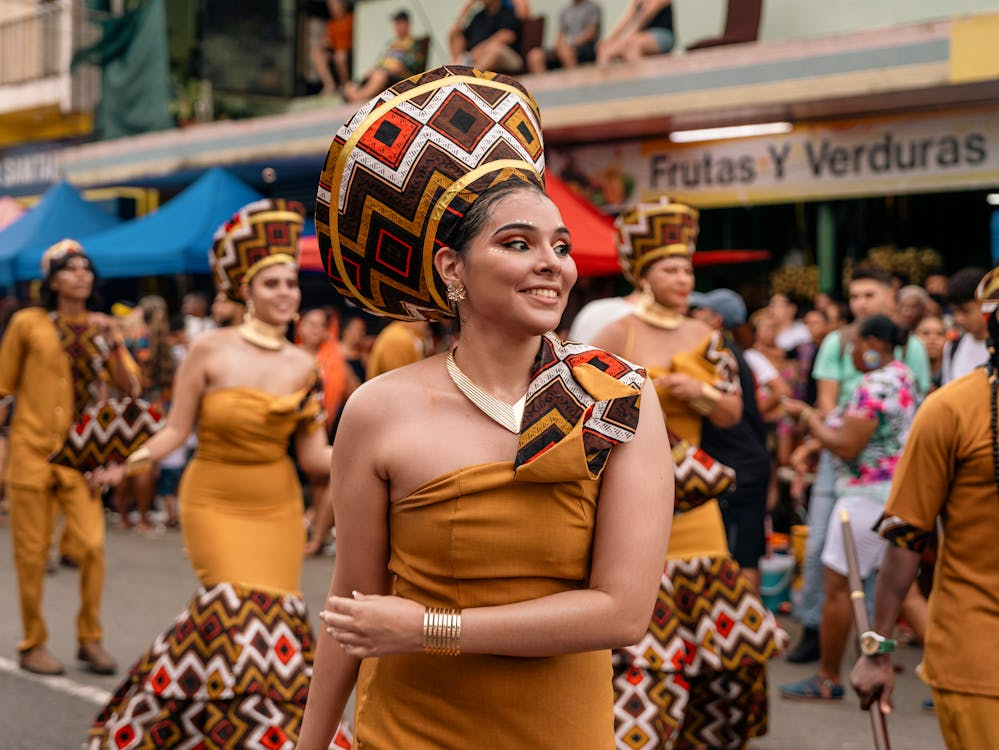
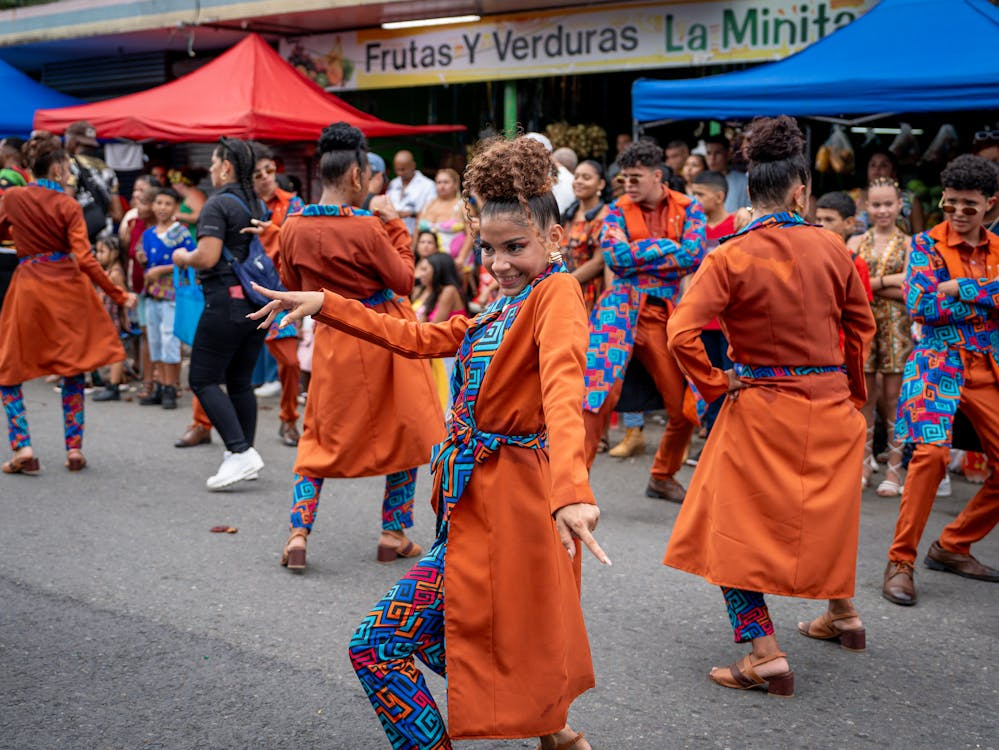
Costa Rican traditions offer valuable insights into its cultural lineage. Celebrations such as Día de los Boyeros, which honors traditional oxcart drivers, and Afro-Caribbean festivals in Limón reflect the country’s diverse roots. Music, dance, and cuisine all serve as expressions of Costa Rican heritage.
Family traditions, in particular, play a significant role in preserving cultural identity. Recipes, storytelling, and community gatherings often carry historical significance that may not be documented elsewhere. Genealogy research helps connect these traditions to specific ancestors, providing context and meaning.
By using a DNA analysis service and traditional genealogy services, individuals can uncover the origins of these traditions and understand how they have been passed down through generations.
The Role of Genealogy in Understanding Identity

Exploring Costa Rican heritage is not just about learning facts. It is about understanding identity on a deeper level. Genealogy research allows individuals to connect with their past, recognize cultural influences, and appreciate the journeys of their ancestors.
Today, it is possible to find ancestors online through digital archives, historical databases, and DNA testing platforms. These tools make it easier to access information that was once difficult to obtain.
However, interpreting this data requires expertise. This is where expert DNA research assistance becomes essential. Professionals can analyze results, identify patterns, and guide individuals through the process of building a comprehensive family history.
Combining DNA and Historical Research
The most effective way to explore Costa Rican heritage is by combining genetic testing with traditional research methods. A DNA analysis service can reveal ethnic origins and genetic connections, while traditional genealogy services provide the historical context needed to understand those findings.
For example, DNA results may indicate Indigenous or Afro-Caribbean ancestry, but historical records can help identify specific regions, communities, and time periods associated with those roots. This combined approach offers a more complete and accurate understanding of lineage.
As more records become digitized, it is becoming increasingly accessible to find ancestors online and piece together family histories that span generations and continents.
Understanding Costa Rican heritage history is not only valuable for personal discovery. It also plays a role in preserving cultural identity for future generations. By documenting family histories and sharing stories, individuals contribute to a broader understanding of Costa Rica’s diverse heritage.
Genealogy research encourages families to keep traditions alive and maintain connections to their roots. Whether through written records, oral histories, or DNA data, preserving this information ensures that cultural lineage continues to be recognized and appreciated.
If you are ready to explore your roots and uncover your connection to Costa Rican heritage, professional support can make all the difference. DavisDNA and Family Research provides expert forensic genealogy services, comprehensive DNA research in Florida, and advanced online DNA analysis for ancestry in Florida to help you discover your past with clarity and confidence. As trusted DNA Consultants in Florida, our team assists families, estates, and individuals seeking accurate genealogical answers. Whether you need dna detectives for hire or support from a probate heir search company, we deliver reliable research solutions tailored to your needs. Connect with us today to get started.