
Genealogy has come a long way in the last couple of decades, making it easier for individuals to learn more about their ancestral history and explore their family roots. In most cases, it requires people to locate and review old records, track birth, marriage, and death certificates, or even integrate DNA analyses into their methodologies. Unfortunately, the process isn’t as straightforward as it sounds for many Americans of African-American heritage, as they often face significant challenges in tracing their roots as a result of centuries of enslavement.
Let’s take a closer look at the common obstacles that emerge when researching African-American ancestry and ways to make the process a little easier.
The Challenges in Tracing Your African-American Roots
The US has a long, painful history of slavery, making tracing ancestral history more complicated for African-Americans. Institutional racism and prejudice meant that the lives of people of color were inadequately—or incorrectly—documented, resulting in incomplete or unavailable records. It wasn’t until 1870—five years after the Civil War had ended—that African-Americans were included by name in the US federal census.
As a result, tracing African-American ancestors before the 1870 Census is extremely difficult. Many researchers and historians equate tracing family histories to putting together different “puzzle pieces” to form a complete picture. In the case of African-American ancestry, there’s the additional challenge of locating pieces of the puzzle that may not even exist.
How to Get Started
As challenging as tracing African-American ancestry can be, you do have something to work with if you’ve decided to embark on this mission. Start with what you already know or can access. This includes family stories, oral traditions, and any existing documents you have.
Talk to as many people as you can, even if they seem unconnected to your family history. You never know who can offer some insight into your research. Organize all your information to determine better what else you need and what your next step should be.
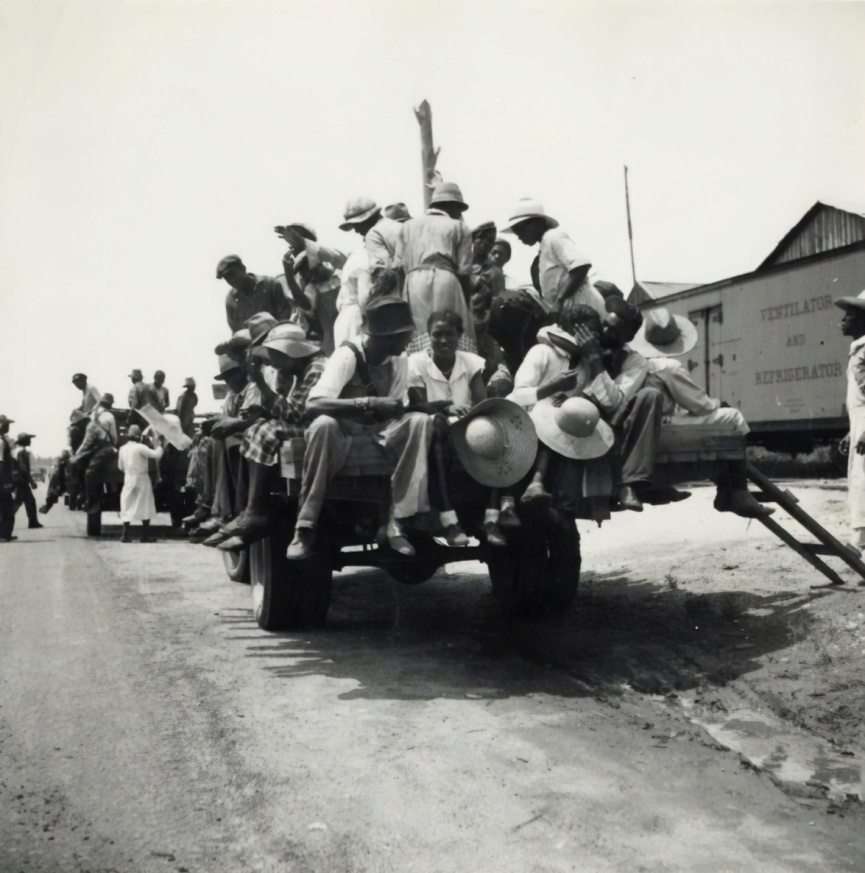
Try using a timeline, and document your progress as you go. Finding documents can be tricky, but hey, it’s worth a shot. It helps if you have an idea about the places, dates, or names of the ancestors you’re searching for.
A few important sources of information for history prior to 1870 are the Federal Slave Schedules. These documents enumerated enslaved persons by age and gender, but they also reference the name and property of the enslaver. Old newspapers, photographs, census data, probate files, journals, and governmental records can offer information of value, and wills can be the most important records, as those who were enslaved are often mentioned by name. Be on the lookout for records that mention the enslaver, as they can often lead to those persons you’re seeking.
A valuable resource for anyone researching African-American ancestors is the “Index to Records of Ante-Bellum Southern Plantations: Locations, Plantations, Surnames and Collections, 2d Ed.”, a well-researched book by Jean Lynn Cooper.
Finally, reach out to a professional investigative genealogy services such as DavisDNA and Family Research. We specialize in family history research and can help you trace your African-American ancestors. We also offer forensic and genetic genealogy services, and with our expert DNA research assistance analysis and integration.
Get in touch with us to learn more about our range of services.