
Embarking on a journey to uncover your Eastern European roots is a thrilling adventure filled with rich history, diverse cultures, and unique challenges.
Countries like Poland, Ukraine, and other Easter European countries have a complex genealogical landscape, making genealogy research more intriguing and fun.
Here’s how we suggest you go about it.
Keep In Mind There Are Many Border Changes to Work Your Way Through
Eastern Europe has witnessed significant historical border changes over the centuries. From empires and dynasties rising and falling to territories shifting hands and countries emerging and dissolving, maps have been updated constantly.
Understanding these geopolitical shifts is crucial for successful genealogy research. Familiarize yourself with historical maps and documents that shed light on the locations of your ancestors’ birthplaces, as they might have been under different jurisdictions throughout history.
Check The Immigration Records in The Ellis Island Database
The Ellis Island Database is valuable for those whose Eastern European ancestors immigrated to the United States.
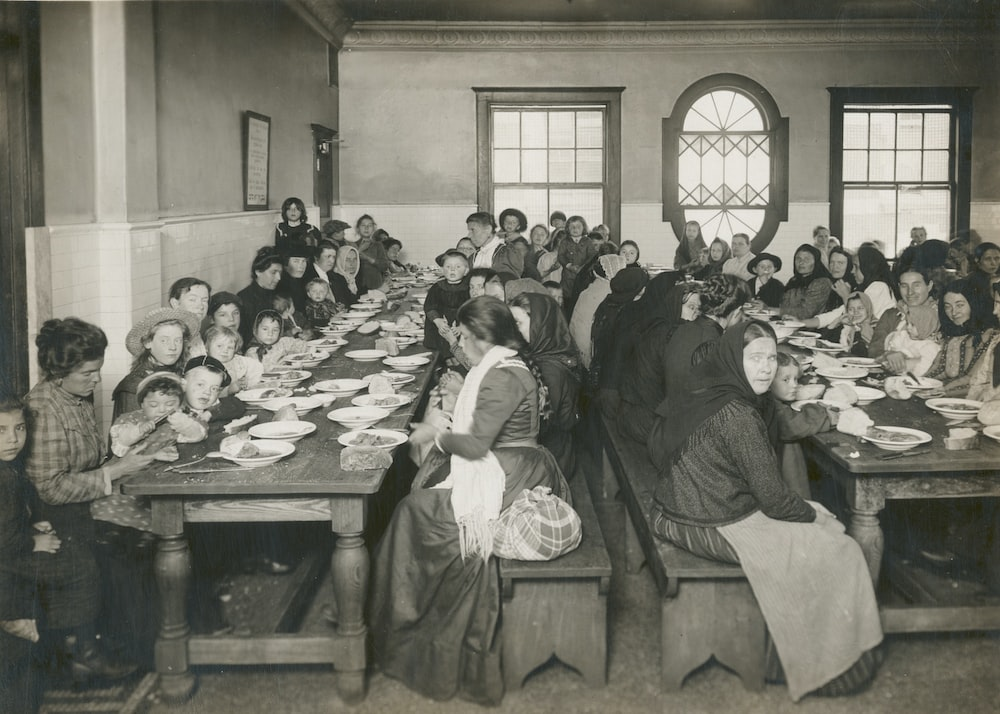
Ellis Island was a major port of entry for millions of immigrants, and the database contains passenger arrival records from 1892 to 1924. Searching for your ancestors’ names and countries of origin may uncover valuable details about their journey to the New World, such as birthplaces and family members who accompanied them.
Explore Local Institutions and Archives
In Eastern Europe, local archives and institutions are treasure troves of genealogical information. Municipal and regional archives, church repositories, and state libraries often house records dating back centuries. Records such as birth, marriage, death certificates, census data, and church registers can provide essential details about your ancestors.
Learning the language of your ancestors’ country can also be immensely beneficial when accessing these valuable resources.
Look Into Online Eastern European Genealogy Platforms
The internet has revolutionized genealogy research, and several online platforms focus on Eastern European ancestry. Here are a few you might find helpful:
- JewishGen(for Jewish genealogy)
- UkrGenWeb(for Ukrainian genealogy)
- PolishOrigins(for Polish genealogy)
- Archives Portal Europe(for European archival records)
- GenTeam(for Austrian, Czech, and Slovak genealogy)
These are a few websites that will provide access to databases, forums, and resources tailored to specific Eastern European regions and ethnicities.
Make The Most of DNA Testing
DNA testing can be critical in Eastern European genealogy research, especially when written records are scarce. DNA tests can reveal ethnic origins, connect you with distant relatives, and shed light on ancient migration patterns.
So, consider taking autosomal DNA tests and, if applicable, Y-DNA and mitochondrial DNA tests to gain a comprehensive understanding of your ancestral heritage!
There’s nothing more empowering than embracing your unique cultural heritage. This is why we suggest taking a DNA test soon. Once you’ve done that, we can help you with DNA analysis and further research. We offer genealogy research services and can help you find your Eastern European roots.