
Music has always been one of the most powerful ways families preserve their history. Long before photographs, written records, or digital archives, songs carried stories from one generation to the next.
A lullaby sung by a grandparent, a traditional dance performed during celebrations, or a cherished instrument passed through the family can reveal just as much about ancestry as historical documents.
Understanding the connection between family traditions and musical expression offers a fascinating perspective on genealogy. Music reflects cultural identity, migration patterns, religious customs, and family values, providing meaningful clues for those researching their heritage. Combined with online DNA analysis for ancestry in Florida, Traditional Family Research Services, and expert DNA research assistance, these musical traditions can help individuals build a richer understanding of where they come from.
Music as a Living Family Record
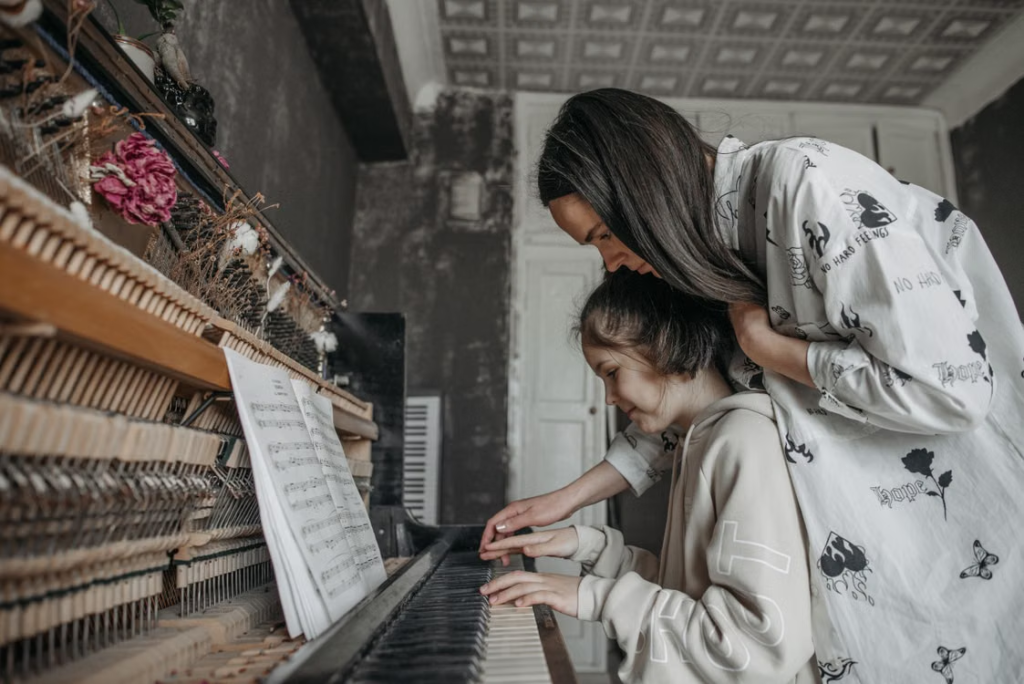
Unlike official documents that remain stored in archives, music continues to evolve while preserving its roots. Families often pass down songs that commemorate weddings, births, religious ceremonies, seasonal celebrations, or important historical events.
Many cultures have maintained oral traditions for centuries. These songs may include references to ancestral villages, occupations, family names, or historical experiences that are not recorded elsewhere.
Researchers studying family traditions and musical expression often discover that musical customs reveal valuable details about:
- Geographic origins
- Religious practices
- Languages and dialects
- Migration journeys
- Community relationships
- Cultural celebrations
When combined with historical records, these traditions become another valuable piece of the family history puzzle.
How Musical Traditions Survive Across Generations
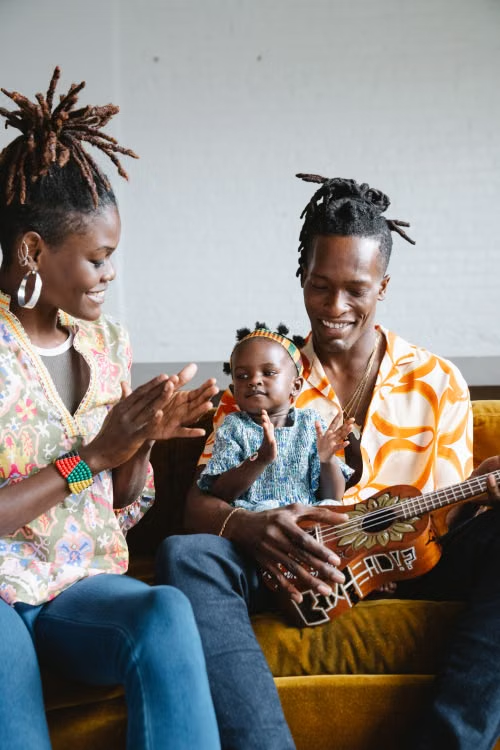
Every family has unique ways of preserving its musical heritage.
Some families gather every holiday to sing traditional songs. Others teach children to play instruments that have been part of the family for generations. Even modern playlists filled with cultural music often reflect deep ancestral connections.
Examples of inherited musical traditions include:
Folk Songs
Traditional folk music often preserves stories dating back hundreds of years. Lyrics may describe historical events, local legends, or family experiences that shaped future generations.
Religious Music
Many families continue singing hymns, chants, or ceremonial music that reflects their spiritual heritage. These traditions often remain remarkably consistent over time.
Dance Music
Cultural dances accompanied by traditional music frequently become family customs during weddings and celebrations, reinforcing cultural identity.
Instrumental Heritage
Certain instruments become symbolic within families. Violins, guitars, harps, bagpipes, drums, flutes, or regional instruments may be carefully maintained and passed from one generation to another.
These traditions create emotional connections that strengthen family identity while preserving history.
Music Reflects Cultural Heritage

Bottom of Form
Every culture has developed its own musical style shaped by geography, language, history, and community experiences.
As families migrated across countries and continents, they often carried their musical traditions with them. Although styles adapted to new environments, many original elements remained intact.
For example, immigrant communities frequently blended traditional melodies with local musical influences while maintaining familiar rhythms, instruments, and storytelling methods.
Researchers exploring family traditions and musical expression frequently notice how musical styles mirror migration patterns found through genealogy research.
This makes music another fascinating source of historical evidence alongside census records, immigration documents, and family trees.
Genealogy Goes Beyond Names and Dates
Many people begin genealogy research expecting to collect birth certificates, marriage records, and census documents.
While these records are essential, they represent only part of a family’s story.
Genealogy becomes far more meaningful when researchers also discover:
- Cultural traditions
- Family recipes
- Religious customs
- Languages
- Artistic practices
- Musical heritage
These personal traditions bring ancestors to life in ways official records cannot.
A grandfather’s favorite fiddle tune or a grandmother’s traditional wedding song may reveal just as much about family identity as an ancestral document.
DNA Research Adds Another Layer
Modern genealogy combines historical research with advanced genetic analysis.
A professional DNA analysis service can identify ancestral origins that explain why certain musical traditions appear within a family.
For example, DNA testing may uncover:
- Previously unknown ethnic heritage
- Regional ancestry
- Indigenous connections
- Migration routes
- Extended family relationships
These discoveries often explain longstanding family customs, including musical styles that have been preserved for generations.
When interpreted alongside historical records, DNA results help create a more complete family history.
Why Oral Traditions Matter
Many families come from communities where written documentation was limited or unavailable.
In these situations, oral traditions become incredibly valuable.
Stories shared through songs often preserve information that official records never captured.
A traditional family song may reference:
- An ancestral hometown
- A family occupation
- Historical conflict
- Immigration experiences
- Local customs
- Community celebrations
Experienced genealogists understand the importance of collecting these memories before they disappear.
Interviewing older relatives about songs, musical traditions, and family celebrations can preserve valuable historical information for future generations.
Traditional Genealogy and Cultural Research Work Together
Successful family history research combines multiple sources of information.
While traditional genealogy services focus on historical documentation, cultural traditions help provide context behind the records.
Researchers often examine:
- Census records
- Church records
- Immigration documents
- Military records
- Newspaper archives
- Oral histories
- Musical traditions
- Cultural celebrations
Together, these sources create a far richer understanding of a family’s past.
Rather than viewing genealogy as simply building a family tree, researchers can better understand how ancestors lived, celebrated, and expressed themselves.
Preserving Musical Heritage for Future Generations
Family traditions only survive when someone makes the effort to preserve them.
Fortunately, today’s technology makes preserving musical heritage easier than ever.
Families can:
- Record older relatives singing traditional songs.
- Digitize vintage audio recordings.
- Photograph family instruments.
- Write down the stories behind favorite songs.
- Document when certain songs are traditionally performed.
- Create family archives combining music with genealogy research.
These efforts ensure future generations inherit more than names and dates. They inherit the sounds that shaped their family’s identity.
Finding Ancestors Online While Preserving Family Culture
Today, genealogy research has become more accessible than ever.
People can find ancestors online using historical databases, digitized archives, immigration records, newspaper collections, and family tree platforms.
However, digital records should always be complemented by conversations with relatives and documentation of family traditions.
A family archive becomes much more meaningful when official records are paired with recorded songs, cultural stories, and photographs of treasured heirlooms.
Together, these resources preserve both the facts and the emotions that define family history.
Music Creates Lasting Family Connections
One of the greatest strengths of music is its ability to connect generations.
Children may not remember every historical date, but they often remember the songs their grandparents taught them.
Those melodies become lasting reminders of family identity and cultural heritage.
Whether performed during weddings, religious holidays, birthdays, or community gatherings, music helps families maintain traditions despite changes in geography and time.
As genealogy research continues to grow, more people are recognizing that understanding family traditions and musical expression adds emotional depth to their family history.
Historical records explain where ancestors lived.
Music helps explain who they were.
Genealogy is about much more than tracing names through historical documents. It is about understanding the traditions, values, stories, and music that shaped generations of a family. Exploring traditional family research services allows researchers to appreciate the cultural influences that continue to echo through modern families. When combined with traditional genealogy services, a professional DNA analysis service, expert DNA research assistance, and the ability to find ancestors online, these musical connections help create a richer and more complete picture of family heritage.
Your family’s history includes more than documents and dates. It includes traditions, memories, and cultural expressions that deserve to be preserved.
DavisDNA and Family Research provides exceptional DNA research and genetic genealogy services, helping individuals uncover ancestral connections through advanced DNA analysis, historical records, and professional genealogical expertise.
Whether you are beginning your family history journey or expanding existing research, our experienced team is ready to help you discover the stories that have shaped your family’s legacy.