The story of the Harlem Hellfighters is one of extraordinary bravery, perseverance, and patriotism. Their contributions during World War I helped reshape military history and challenged deeply rooted racial barriers in the United States. Today, the Harlem Hellfighters’ history continues to inspire historians, military scholars, genealogists, and families seeking to uncover connections to these remarkable soldiers.
As descendants work to preserve family stories and military records, tools such as a DNA analysis service, traditional genealogy services, and expert DNA research assistance are helping many families discover links to the men who served in this groundbreaking regiment.
The Origins of the Harlem Hellfighters
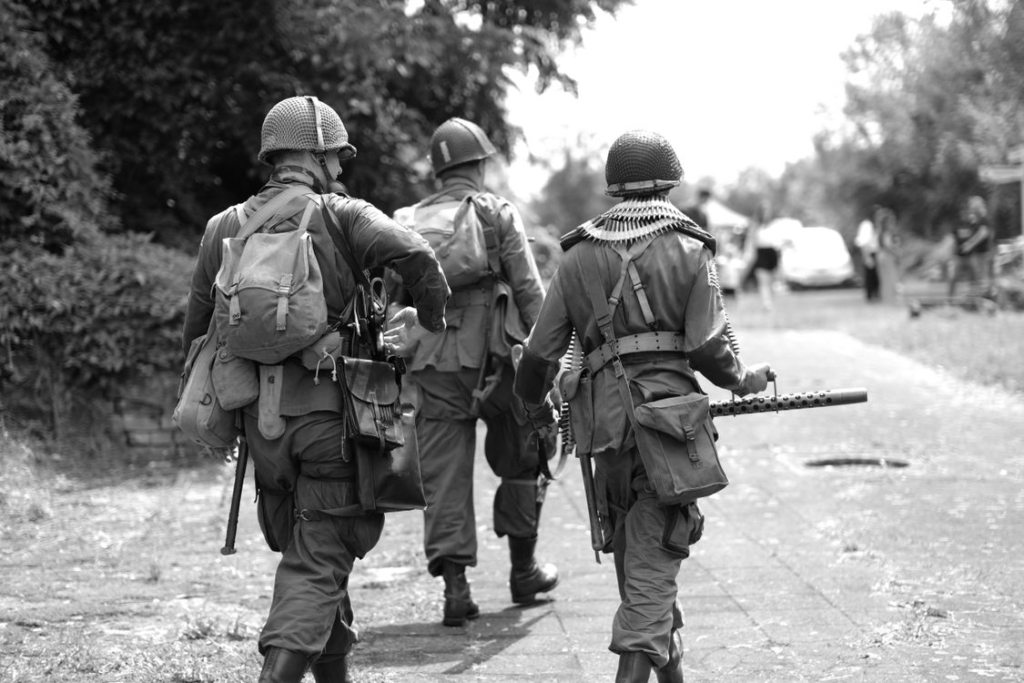
The Harlem Hellfighters were originally known as the 369th Infantry Regiment of the New York National Guard. Formed in 1913, the regiment consisted primarily of African American soldiers from Harlem and other communities throughout New York.
At a time when segregation was common throughout American society, Black soldiers often faced limited opportunities within the military. Despite these challenges, the men of the 369th eagerly volunteered to serve their country when the United States entered World War I in 1917.
The regiment attracted educated professionals, laborers, artists, musicians, and community leaders. Many viewed military service as an opportunity to demonstrate their loyalty, courage, and capability while fighting for greater equality at home.
Their determination would soon earn them international recognition.
Facing Discrimination Before and During the War
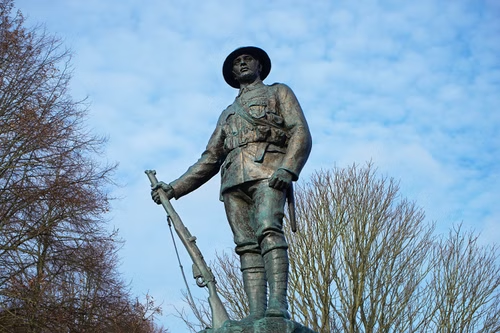
One of the most significant aspects of the Harlem Hellfighters’ history is the discrimination the soldiers endured. Despite volunteering to serve their nation, African American troops faced segregation, unequal treatment, and prejudice within the U.S. military.
Many white military leaders doubted the abilities of Black soldiers and sought to limit their combat roles. The 369th Infantry Regiment often received inadequate training resources and equipment compared to white units.
When the regiment arrived in Europe, some American military officials even attempted to discourage French forces from treating Black soldiers as equals. Fortunately, French commanders largely rejected these attitudes and welcomed the men of the 369th into their ranks.
This acceptance gave the Harlem Hellfighters the opportunity to prove themselves on the battlefield.
The Harlem Hellfighters in World War I
Because American military leadership was reluctant to place African American units in combat, the 369th Infantry Regiment was assigned to fight under French command.
The decision ultimately allowed the soldiers to distinguish themselves in ways few could have imagined.
The Harlem Hellfighters spent more time in frontline combat than any other American unit during World War I. They served for approximately 191 days on the front lines without losing ground or surrendering captured positions.
Their courage earned them widespread admiration among Allied forces. German troops reportedly referred to them as “Hellfighters” because of their fierce resistance and determination in battle.
Among the regiment’s most celebrated soldiers were Henry Johnson and Needham Roberts. During a nighttime enemy raid, the two men fought off a much larger German force despite suffering serious injuries. Their actions prevented the capture of fellow soldiers and became legendary examples of battlefield heroism.
Their bravery demonstrated that courage knows no racial boundaries.
Military Achievements That Changed History
The accomplishments of the Harlem Hellfighters were historic.
The regiment earned numerous military honors, including the French Croix de Guerre, one of France’s highest awards for bravery. Many members of the unit received individual decorations for exceptional service.
The Harlem Hellfighters participated in major campaigns, including the Meuse-Argonne Offensive, one of the largest military operations involving American forces during World War I.
Their record was remarkable:
- They spent more time in combat than any other American regiment.
- They never lost a trench or foot of ground to enemy forces.
- They earned widespread recognition from French military leaders.
- They challenged racial stereotypes through their extraordinary battlefield performance.
These achievements helped pave the way for future integration within the U.S. Armed Forces and influenced discussions about civil rights in the decades that followed.
The Cultural Impact of the Harlem Hellfighters
The influence of the Harlem Hellfighters extended beyond military success.
The regiment’s military band, led by James Reese Europe, introduced many Europeans to jazz music. Their performances helped spread African American musical traditions internationally and contributed to the global popularity of jazz.
Upon returning home, the soldiers were celebrated with a massive parade through New York City. Thousands of people lined the streets to honor their service.
Their accomplishments inspired future generations of African Americans to pursue military, political, artistic, and social leadership roles.
Today, the Harlem Hellfighters are remembered not only as soldiers but also as cultural ambassadors who helped reshape perceptions of African American achievement.
Preserving Harlem Hellfighters’ History Through Genealogy
Interest in the Harlem Hellfighters’ history continues to grow among descendants, researchers, and historians.
Many families are discovering military connections through historical documents, census records, military service files, and family archives. Modern genealogy tools have made it easier than ever to uncover ancestral links to World War I veterans.
A professional DNA analysis service can help individuals identify family connections that may not appear in traditional records. Combined with Genetic Genealogist for DNA Research Florida, researchers can piece together family histories that have remained hidden for generations.
In some cases, expert DNA research assistance helps descendants confirm relationships, identify military ancestors, and preserve family stories connected to the Harlem Hellfighters.
These efforts ensure that the sacrifices and achievements of these soldiers are not forgotten.
Why Their Legacy Still Matters Today
More than a century after World War I, the story of the Harlem Hellfighters remains deeply relevant.
Their service highlights the importance of perseverance in the face of adversity. Despite discrimination and unequal treatment, they remained committed to their mission and demonstrated extraordinary courage under some of the most challenging conditions imaginable.
Their achievements helped challenge racial barriers within the military and American society. They also left behind a powerful example of leadership, resilience, and dedication that continues to inspire people around the world.
As historians, descendants, and genealogists work to preserve their stories, the Harlem Hellfighters remain a symbol of determination and excellence.
The story of the Harlem Hellfighters is one of heroism, sacrifice, and lasting impact. Their contributions during World War I changed military history, advanced conversations about equality, and left a cultural legacy that continues to resonate today.
For families interested in uncovering connections to World War I veterans or exploring their own heritage, professional genealogy research can provide valuable insights.
DavisDNA and Family Research provides exceptional genetic genealogy services, DNA detectives for hire, Traditional Family Research Services, and expert DNA research assistance to help individuals discover and preserve their family history for future generations.
Partner with DavisDNA and Family Research today to begin uncovering the remarkable stories hidden within your family tree.