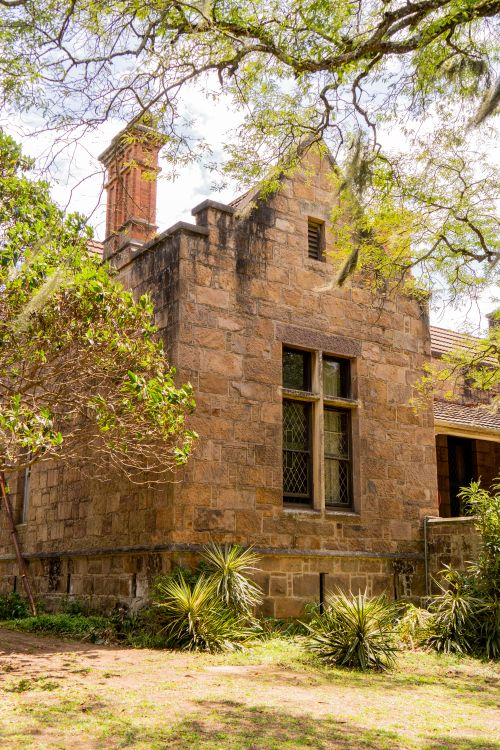

Family history research often begins with names, dates, and records. However, one of the most valuable sources of information is sometimes overlooked: the homes and properties where ancestors lived.
Historic houses, farms, and family homesteads can provide remarkable insights into a family’s past, offering clues that traditional documents may not reveal.
Exploring historic properties and family history connections can help uncover details about migration patterns, occupations, economic status, and multigenerational family structures.
When combined with a professional DNA analysis service, traditional genealogy services, and expert DNA research assistance, property records become powerful tools for understanding your family’s story.
Why Historic Properties Matter in Family History Research
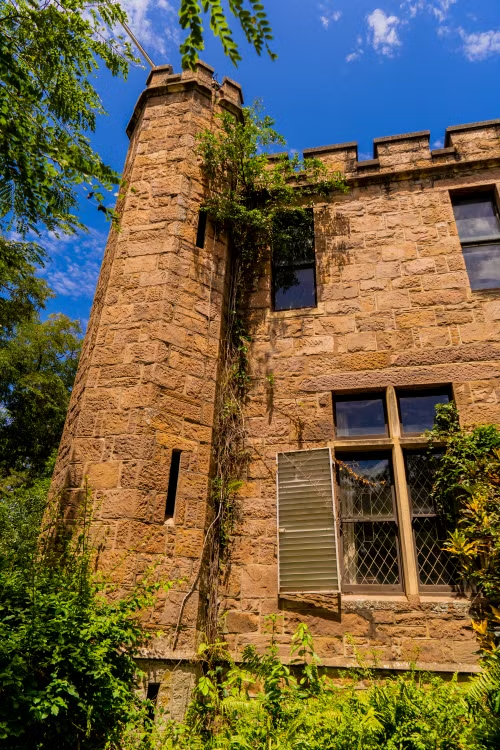
Every property has a history. The land where your ancestors lived often contains a wealth of information that extends far beyond ownership records. Historic homes can reveal how families lived, worked, and interacted with their communities over time.
Property-related documents often survive for generations, making them valuable resources when other records are missing. Researchers can use these materials to establish family connections, confirm residence locations, and better understand the daily lives of their ancestors.
Studying historic properties and family history connections allows genealogists to place ancestors within a physical setting, creating a clearer picture of their experiences and circumstances.
Deeds and Land Records: Following Ownership Through Time
Land deeds are among the most valuable resources available to genealogists. These records document property transfers, inheritance arrangements, and family relationships that may not appear elsewhere.
A deed can reveal:
- Names of family members involved in property transactions
- Dates of ownership and residence
- Property boundaries and neighboring landowners
- Inheritance patterns across generations
- Economic standing within the community
In many cases, land records help bridge gaps in family trees. A property transferred from a father to a son, for example, may confirm a family relationship when birth records are unavailable.
Researchers often combine land records with traditional genealogy services and a DNA analysis service to verify ancestral connections and build more accurate family histories.
Architectural Details Can Tell a Story

The design and construction of a historic home often reflect the lifestyle and financial circumstances of its occupants.
Architectural features may provide clues about:
Occupation
Certain property layouts were designed around specific trades or agricultural activities. Barns, workshops, mills, and outbuildings may indicate farming, blacksmithing, carpentry, or other occupations.
Wealth and Social Status
Larger homes with decorative details, imported materials, and extensive grounds often suggest financial prosperity. More modest homes can reveal periods of economic hardship or changing family circumstances.
Cultural Heritage
Immigrant families frequently incorporated architectural styles from their countries of origin. These design choices can provide evidence of cultural traditions and migration history.
Examining a property’s physical features can complement findings from expert DNA research assistance and documentary evidence, helping researchers better understand ancestral lifestyles.
Census Records and Historic Homes
Census records become even more meaningful when paired with a specific address or property.
Federal and local census records can reveal:
- Household members living together
- Ages and family relationships
- Occupations
- Property values
- Immigration information
These records often demonstrate how families changed over time. Multiple generations living under one roof may indicate strong family support systems, inheritance practices, or economic necessity.
When researchers connect census information with historic properties and family history investigations, they gain valuable context about how ancestors lived and worked within their communities.
Historic Maps Reveal Migration Patterns
Historic maps provide another valuable layer of information for family historians.
Old maps can show:
- Property locations over time
- Changes in county or township boundaries
- Transportation routes
- Nearby schools, churches, and businesses
- Neighboring families and communities
Migration patterns often become visible when researchers compare maps across several decades. Families frequently moved in stages, following transportation routes, employment opportunities, or family networks.
Understanding these movements can help explain why ancestors relocated and where additional records may be found.
Historic maps are particularly useful when used alongside a DNA analysis service, as genetic matches may reveal connections to relatives who settled in nearby communities.
Understanding Multigenerational Living Arrangements
Many historic properties housed several generations of the same family.
Before modern retirement communities and assisted living options, families often shared homes for practical and financial reasons. Grandparents, parents, children, and extended relatives frequently lived together on the same property.
Property records and census documents can reveal:
- Family caregiving arrangements
- Shared ownership among relatives
- Inherited land passed through generations
- Household structures that changed over time
These living arrangements often explain complex family relationships that appear in genealogical records. Understanding who lived on a property and when can help researchers solve longstanding family mysteries.
Property Records Can Reveal Family Wealth and Hardship
Historic properties often reflect a family’s economic journey.
Tax records, mortgage documents, and land assessments can reveal periods of financial growth or decline. Property expansions may indicate prosperity, while foreclosures or land sales can point to economic challenges.
Researchers may discover:
- Business success or failure
- Agricultural production levels
- Economic effects of historical events
- Inheritance disputes
- Family investments
These details add depth and context to family histories that cannot be obtained through names and dates alone.
Combining property research with Investigative Genealogy services online allows families to create a richer and more complete understanding of their ancestors’ experiences.
Connecting Property Research with DNA Evidence
Modern genealogy often combines historical documentation with genetic analysis.
A professional DNA analysis service and hire genetic genealogist Florida can help confirm relationships suggested by property records and family documents. DNA results may identify previously unknown relatives, while land records help explain how those relatives fit into the broader family story.
Similarly, expert online DNA Detective can help interpret complex genetic matches and connect them to specific ancestral families associated with particular locations or properties.
By combining documentary research and DNA evidence, genealogists can build stronger, more accurate family histories.
Historic homes are more than structures. They are witnesses to generations of family history. Every deed, map, census record, and architectural feature contributes another piece to the story of those who lived there.
Researching historic properties and family history connections can uncover valuable insights into migration, occupations, family relationships, wealth, and daily life. These discoveries help transform names on a family tree into real people with meaningful stories and experiences.
If you are ready to uncover the hidden stories behind your ancestral homes, DavisDNA and Family Research can help. Our team provides exceptional DNA research, Forensic Genealogy services, and Genetic Genealogist for DNA Research Florida designed to uncover family mysteries and strengthen your understanding of your heritage. Whether you need a professional DNA analysis service, Traditional Family Research Services, or expert DNA detectives for hire, DavisDNA and Family Research is committed to helping you discover the people, places, and stories that shaped your family history.