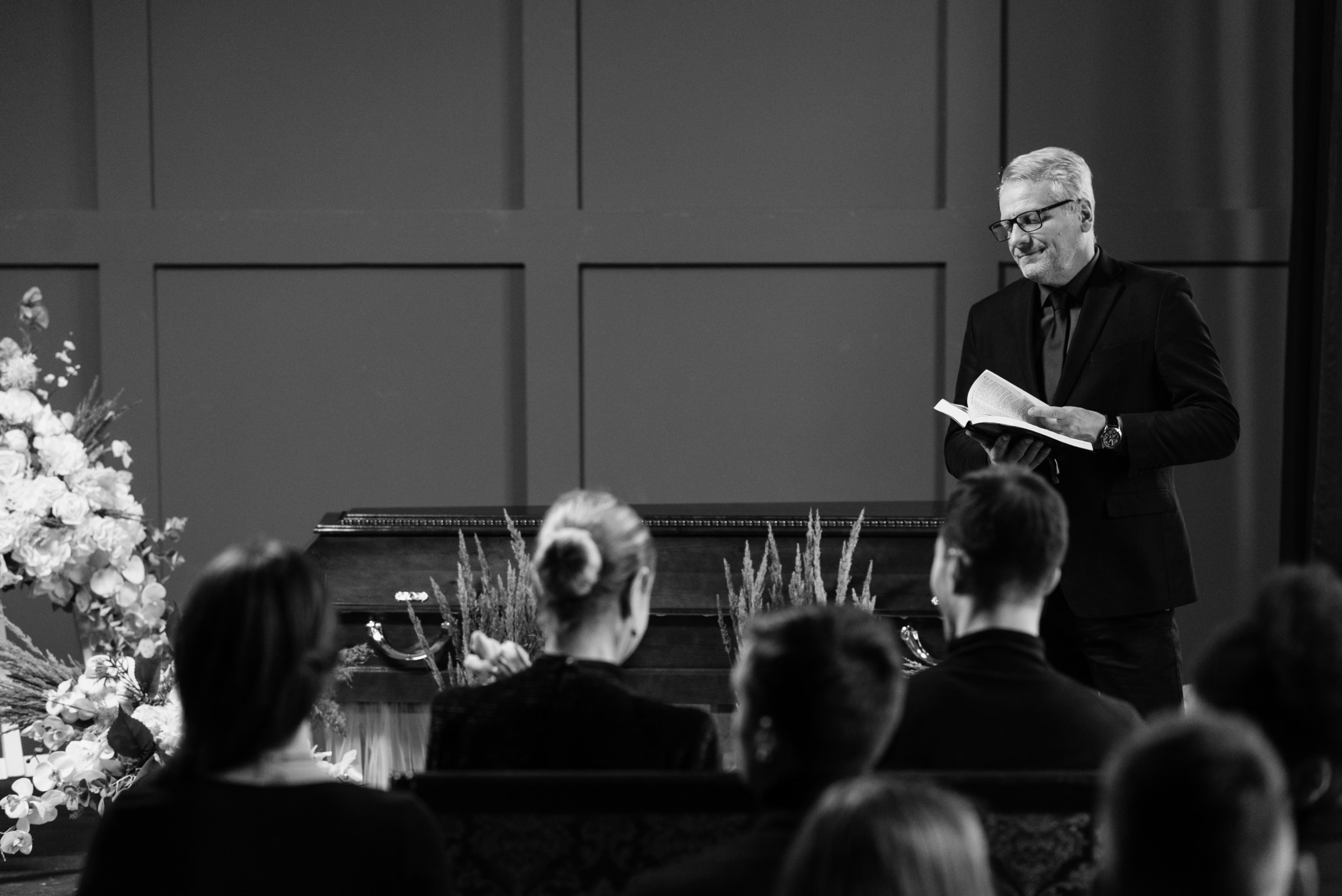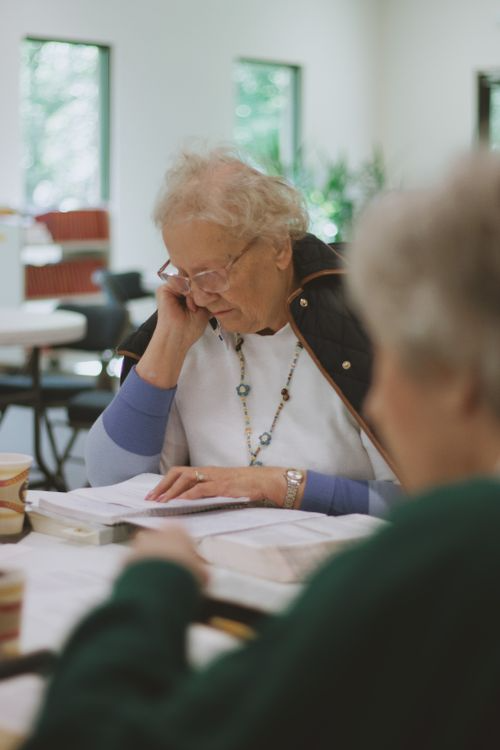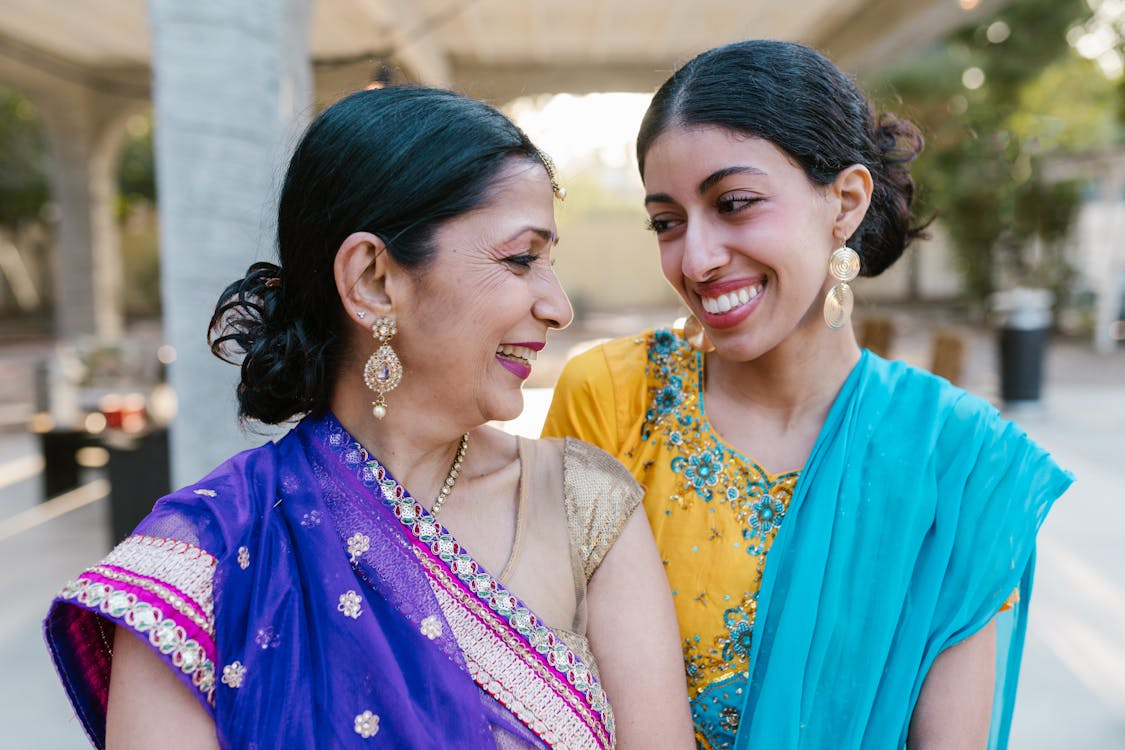
There’s nothing quite like using photographs for family research. The dates and information you’ll find in other kinds of records are all important, but they don’t tell a story the way a photo does. Photographs can help you put faces to names, which can make your research a lot more interesting—and sometimes they can even make it easier.
Here are some ways you can make the most of old photographs.
Tip No. 1: Asses the Type of Photography Used
Photography was introduced in the early 1800s, and since then, it has evolved significantly. When looking at old photographs, try to assess what kind of camera or photography technique was used. This will help you figure out the period it could’ve been taken in.
For instance, studio portraits mounted on cards were popular around 1860. Before that, daguerreotypes were quite common between 1839 and 1870. So, the format of a photograph could help you date it to some extent.
Tip No. 2: Take In the Surroundings
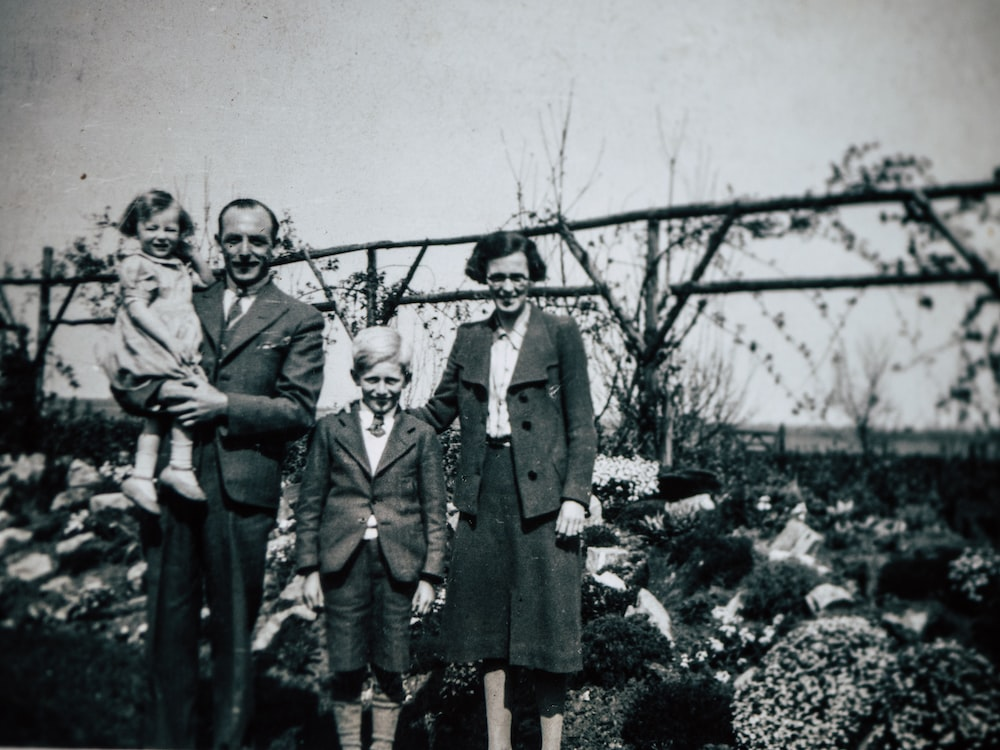
When you’re looking at a photograph, don’t just focus on the people; make sure to also take in the setting and backdrop. For instance, the earliest photos were usually taken outdoors. This was the period before flash photography was invented, i.e., before 1884.
If an individual or family is standing outside of a house or a car, that’s like finding a treasure trove as a researcher. The automobile and its model could help you narrow down the period when the photo was taking, and it could also help you deduce a subject’s social standing and wealth.
Tip No. 3: Study the Fashion
Look at photos of your parents from your childhood, and then check photos from the present day. Do you see a significant difference in your mom’s hairstyle and your dad’s dressing sense? That’s how quickly fashion evolves.
So, when you come across a photograph, and you’re not sure what period it’s from, study the fashion, including the clothing and hairstyles. Compare these to other photos or Google fashion from different eras, and voila—you’ll likely find all the answers!
Tip No. 4: Check the Back of the Photos for Any Notes
If you’ve collected photographs from relatives and other sources, they may carry some notes at the back. People typically scribble down names, dates, and occasions on the back of photographs, and this can make things a lot easier for researchers and family historians, but there’s a catch.
You can’t always rely on these notes. People often label photos years after they’ve been taken, and they could be guessing years and forgetting names; therefore, you have no way to be sure about the accuracy of that information.
Tip No. 5: Try To Use Clues to Figure out The Occasion
Many families didn’t have personal cameras for photos, which explains the abundance of studio photos. However, these trips to the studio were typically made for special occasions like weddings or birthdays. So, look for clues that help signify the occasion. For example:
- A well-dressed child posing for a solo shot? It could be a birthday,
- A colored or white dress with a fancy hat and a veil is definitely a wedding,
- A young couple posing together? Look for a ring on the woman’s left hand—that could signify an engagement.
Using photographs for family research makes the whole process much more interesting, but drawing valid conclusions can be complicated. If you have a lot of old photographs but are not sure how to use them for your research, get in touch with us at DavisDNA And Family Research. We offer traditional and genetic genealogy services and can help you make the most out of your old family photographs.
Let’s start building your family tree!