Genealogy is a fascinating subject and has been around since medieval times. Before modern technology and genetics, genealogy used information such as names, dates, important events, and legal documents to trace families. Let’s delve a little deeper into traditional genealogy with these five interesting facts.
Fact #1: Spoken traditions to preserve the pedigree
Did you know that genealogy or the line of descent was initially kept intact through oral traditions? The system of keeping genealogical records started during the 1500s in Western Europe. Before that, family members would memorize (aided by mnemonic systems) their whole lineage, mostly names. Important events were sometimes also remembered alongside key ancestors.
Fact #2: Genealogy verified claims to the throne
Genealogy was a powerful tool even during ancient times. British history, for instance, shows that after the death of the King, several claimants to the Crown would emerge if a direct heir was not present. The pedigrees of royal and noble lines were recorded extensively. To prove their claims, genealogical trees were often examined.
Fact #3: The best-documented family tree dates back to 551 BCE
The Kong Family Tree, also referred to as Confucius’s descendants has the most accurate family tree. Confucius was a Chinese philosopher and politician who established the social, ethical, and moral standards called Confucianism. After his death, a committee kept an extensive record of his descendants to date. The Guinness World of Records even verified it as the world’s longest family tree.
Fact #4:Medieval records rarely kept dates
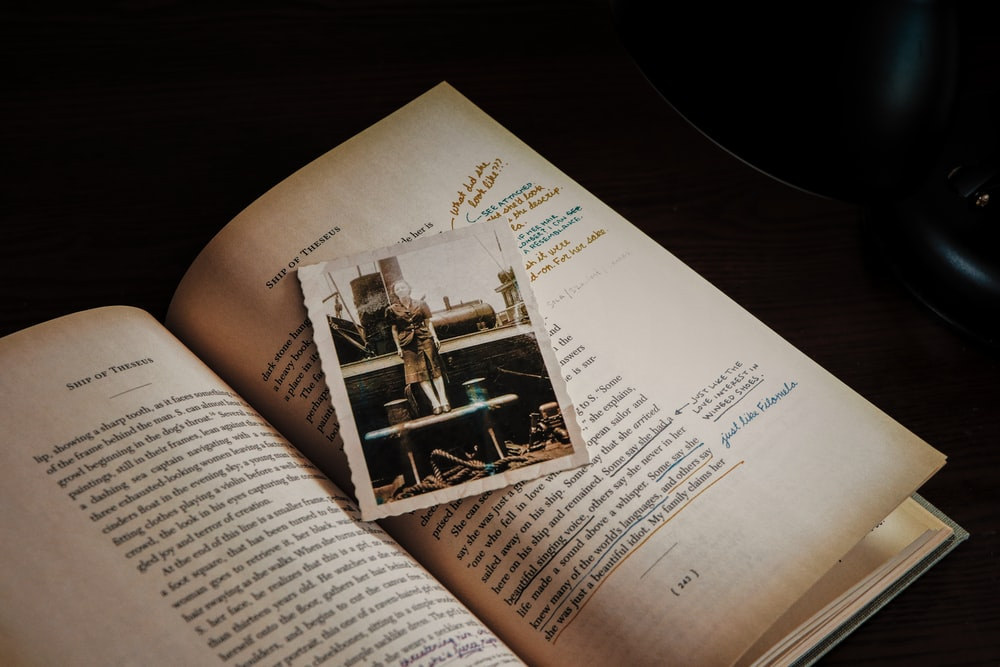
The people who kept medieval European records, rarely noted information such as date of birth, death, and marriage. This is because they primarily kept records to log in taxes, lawsuits, and land transactions. These were used to back up certain legal claims like land ownership.
Fact #5: Wills, tombstones, and more were used as genealogical tools
In addition to land and tax records, other chief sources for tracing a family included wills, tombstones, and even family Bibles. For example, symbols on cemetery headstones have certain meanings which can give information about family members. A rosebud, for instance, meant the person dead was under the age of 12. Similarly an intertwined rosebud meant the mother and child both died during childbirth.
Get expert traditional genealogy and family research services at DavisDNA.
If you’re unsure where to start your search, get DNA research assistance at DavisDNA& Family Research. With over 50 years of experience in the industry, our experts combine genetic genealogy services with traditional genealogical research to provide you with more information with ancestry DNA.
Contact us online or call at 727-280-6274 for more information about our online genetic counseling services.