For many of us, our African American heritage is a significant source of pride as it signifies courage, resilience, and perseverance against massive human rights violations due to racial and ethnic discrimination.
One way to really celebrate your heritage is to learn more about it through family history research. However, for those with African American heritage, this is easier said than done. Having lived through injustices, many people’s black ancestors were forced to live as invisible members of American society. This resulted in little to no documentation and many migrations.
Needless to say, this can make African American genealogy research particularly challenging; here’s how we suggest you go about it.
Read Up on History to Identify Important Patterns and Leads
African Americans formed the very backbone of American society before, during, and after Civil War. So, while they were surpressed by white populations at the time, they did exist, and they’ve left their mark—you just have to look closely.
Read up on your local town or state’s history, and make sure to read between the lines. Don’t see any black populations mentioned? Check for the slaveholders and landowners in the area instead, and go on from there.
Not only will you find migration patterns this way, but you’ll also find slave schedules and marriage registers.
Do Talk to The Community Elders
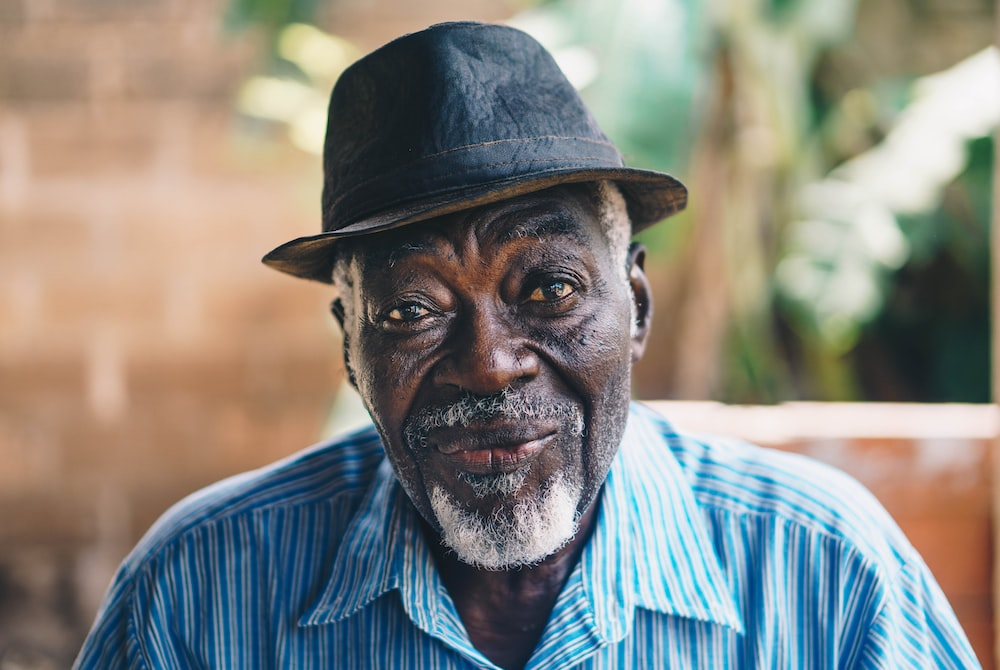
A lot of black history is passed on orally. This may come as a surprise, but for several centuries, it was illegal or discouraged for African Americans to learn how to read and write. The oral tradition was then very important in passing down history, culture, and even recipes!
So, when you’re researching African American heritage, don’t overlook this simple approach; talk to your older family members and other community leaders to learn about important events.
Do Check the Censuses Before 1870
A common misconception people have is that their ancestors won’t be part of the censuses before 1870. This assumption comes from the idea that all people of color weren’t part of the census before 1870.
However, if your ancestors were free African American folk, then censuses before 1870 are definitely worth checking out!
Do you need help with your African American genealogy project? Let us step in!
At DavisDNA And Family Research, we offer professional genealogy services in Florida and can help you find family history through our traditional genealogy services.
Check us out and get in touch!