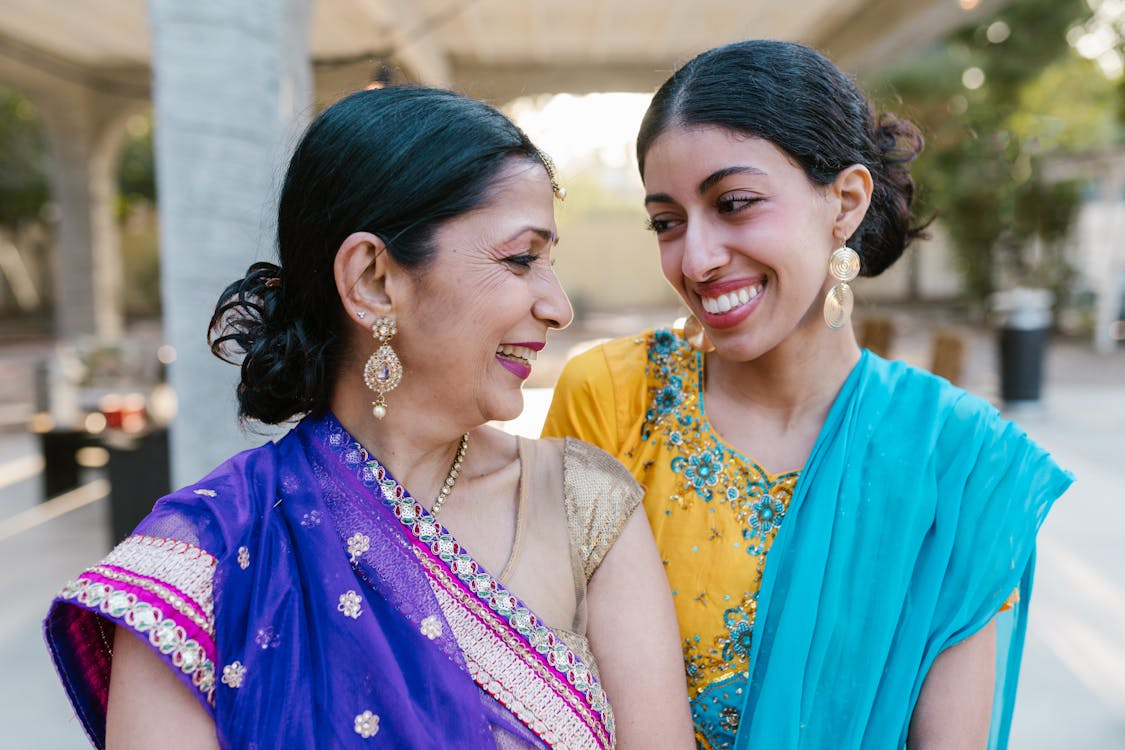
Did you know the Hispanic and Latino communities are growing at one of the fastest rates of any US demographic? The immense diversity of these communities is evident when you consider they’ve migrated from a wide range of countries in Central and South America, Southwestern Europe, and beyond. With so many residents hailing from a wide variety of countries, Latino interest in ancestral exploration is unsurprising.
If you’re also considering exploring your Latino ancestry, here are 3 factors worth considering before you begin.
1. Marriage Records
Spirituality is a massive part of the historical identity of Hispanic and Latino people. According to a religious landscape study by the Pew Research Center, 77% of all Latino people identify as being Christian, of which 48% are Catholic—and Catholic marriage records typically state the town from which the bride and groom hail.
In other words, if your family is historically Catholic, marriage records should clearly indicate your family’s ancestral origins.
2. Naturalization Archives
Naturalization—defined as the process of becoming a US citizen lawfully—is another major factor that can impact your research on Latino ancestry.
According to the American Immigration Council, documented and naturalized immigrants make up over 75% of the immigrant population. Each instance of naturalization is documented in the National ArchivesNaturalization Records—so it’s vital to look through these in your quest to learn more about your Latino ancestry.
3. Dialects
It’s widely believed that there are 10 major Spanish dialects spoken around the world—but research has shown there could be as many as 29 variations. This is extremely important because studies have proven that subtle differences in how a person’s ancestors speak Spanish can be used to trace their origins.
If English is your first language, consider asking your oldest living ancestors what variation of Spanish they speak. Researching unique variations in the way they pronounce certain words should give you a window into where you’re from.
With that said, the Spanish dialect your family has historically spoken could point to more than one origin; For example, Murcian is spoken across various parts of Southeastern Spain. Therefore, we recommend cross-checking your family’s dialect against the other factors we’ve mentioned above to accurately pinpoint your ancestry.
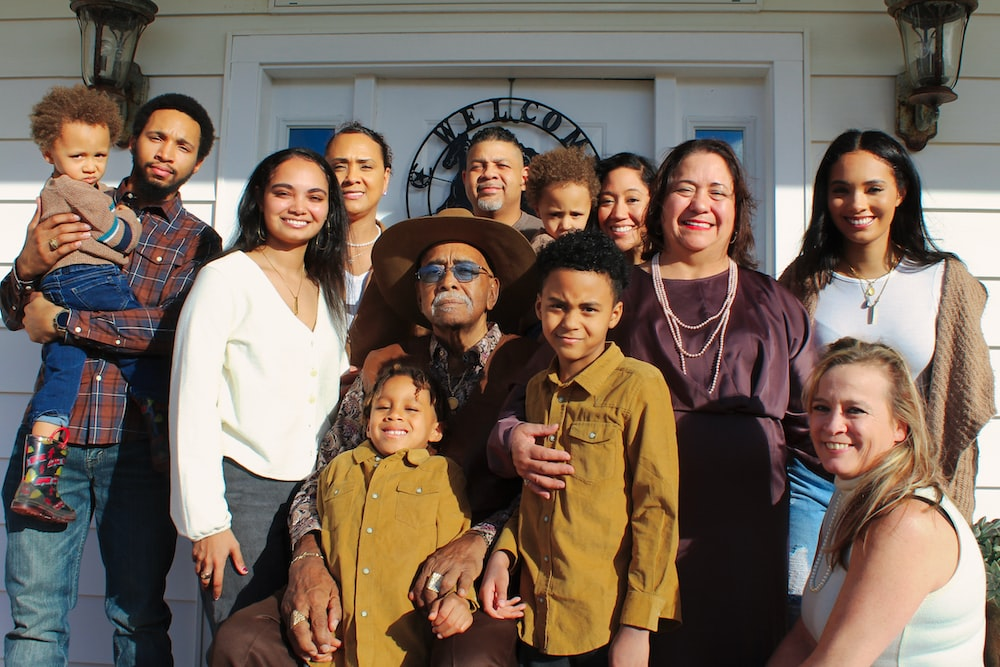
The factors mentioned above will give you an indication of your ancestry, upon which our genealogy professionals at DavisDNA And Family Research are ready to help you build. We use proven genealogical methods and always do our utmost to help our clients accurately place individuals in their family trees.
Whether you want to understand how to evaluate your family’s genealogical records or how to interpret test results accurately, we’re here to help you with our family history research services. Check out our broad range of services that comprise cold case investigations, DNA research, family activity planning, and more!