Every family has stories that deserve to be remembered. From tales of resilience and migration to traditions, recipes, and cherished celebrations, these memories help shape our identity and strengthen our connection to those who came before us. Unfortunately, many of these stories disappear over time when they are not documented or shared.
This heritage storytelling guide explores practical ways to collect, preserve, and pass down your family’s history. By combining personal memories with historical documents, photographs, and modern genealogy techniques, you can create a lasting record that future generations will treasure. Whether you are beginning your family history journey or expanding years of research, preserving your heritage has never been more accessible.
Why Heritage Storytelling Matters
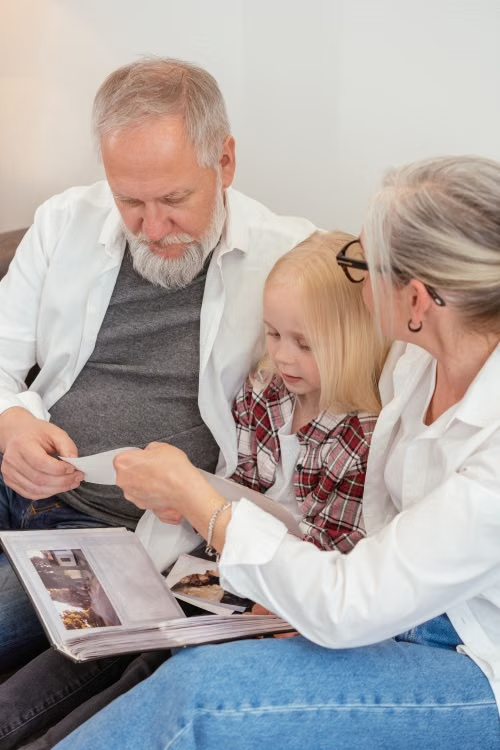
Family stories provide much more than entertainment. They help younger generations understand where they come from and appreciate the experiences that shaped their family. Stories often explain traditions, values, occupations, migrations, and cultural customs that official records cannot fully capture.
A well-preserved family history can:
- Strengthen family identity
- Preserve cultural traditions
- Celebrate important life events
- Honor the achievements and sacrifices of previous generations
- Inspire future generations to continue researching their ancestry
Combining storytelling with traditional genealogy services creates a more complete picture of your family’s past.
Start with Conversations
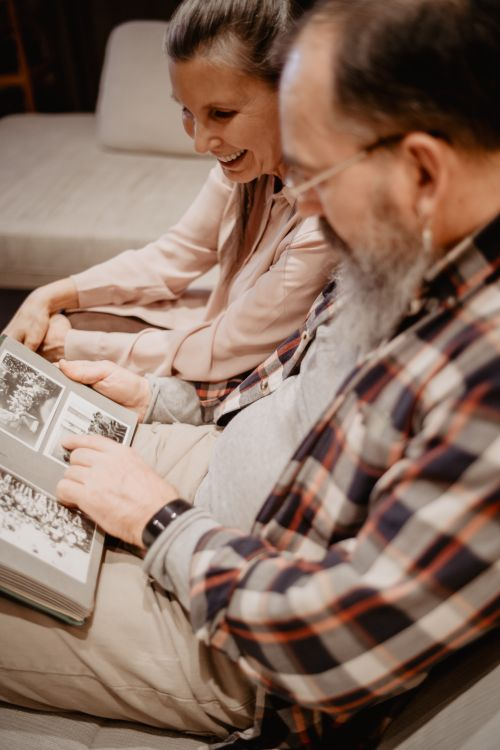
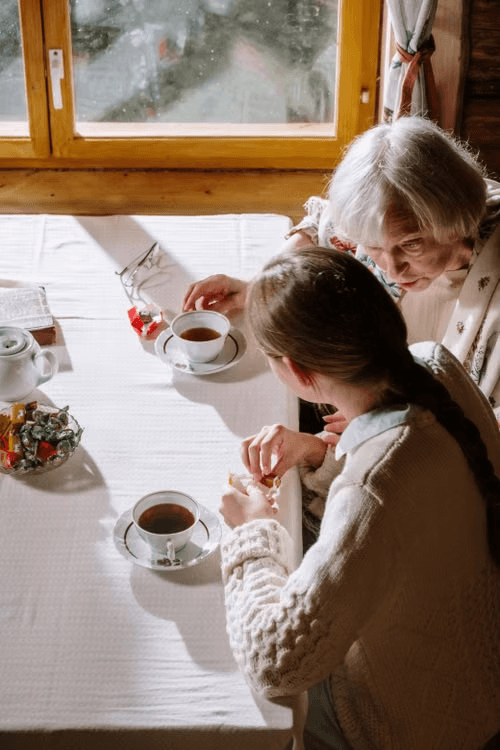
The best source of family history is often sitting at your own dining table. Parents, grandparents, aunts, uncles, and older relatives possess memories that cannot be found in historical archives.
Before conducting interviews, prepare a list of open-ended questions such as:
- What are your earliest childhood memories?
- What traditions did your family celebrate?
- What was life like growing up?
- Who were your parents and grandparents?
- Are there any stories passed down through previous generations?
Record interviews with permission using a smartphone or digital recorder. Audio recordings preserve voices and emotions that written notes simply cannot capture.
Transcribing interviews also makes them easier to organize and share with family members.
Organize Family Photographs
Photographs are among the most valuable pieces of family history. Unfortunately, many old photos lose their meaning because names, dates, and locations are forgotten.
Take time to organize family photographs by:
- Identifying every person whenever possible
- Recording approximate dates
- Writing locations
- Adding details about special occasions
- Digitizing fragile photographs
Scanning old photographs protects them from damage while allowing you to share digital copies with relatives around the world.
Combining photographs with stories creates richer family records that future generations will appreciate.
Preserve Important Documents
Historical documents often fill in gaps that family stories leave behind.
Useful records include:
- Birth certificates
- Marriage records
- Death certificates
- Census records
- Immigration documents
- Military records
- Property records
- School records
- Church registers
- Newspaper articles
Many people now find ancestors online through digital archives that make millions of historical records searchable from home.
Pairing these documents with family interviews provides stronger evidence while creating more complete family narratives.
Use Modern DNA Research
Top of Form
While traditional records remain invaluable, DNA testing has transformed genealogy by uncovering relationships that paperwork alone may not reveal.
A professional DNA analysis service can help individuals:
- Confirm family relationships
- Discover unknown relatives
- Identify ancestral origins
- Break through difficult research barriers
- Verify generations where documentation is incomplete
DNA evidence becomes even more valuable when combined with documentary research and oral history.
Rather than replacing historical research, genetic testing strengthens it by adding another layer of evidence.
Combine DNA with Genealogy Research
Many families eventually encounter research obstacles often called “brick walls.” Missing records, name changes, migration, or incomplete documentation can make tracing ancestors difficult.
This is where expert DNA research assistance becomes particularly valuable.
Professional researchers compare DNA matches with historical records, census information, family trees, immigration documents, and other resources to identify shared ancestors.
Using multiple research methods together produces stronger conclusions than relying on any single source alone.
Combining traditional genealogy services with DNA evidence often leads to discoveries that would otherwise remain hidden.
Create a Written Family History
After collecting stories and documents, begin organizing everything into a written family history.
You do not need to write a formal book immediately.
Instead, organize information by:
Family Branches
Write separate chapters for each major family line.
Generations
Present each generation in chronological order.
Major Events
Include immigration stories, military service, marriages, careers, and significant life events.
Historical Context
Explain what was happening locally or globally during important family milestones to provide greater perspective.
Adding historical context helps readers better understand the challenges and opportunities their ancestors experienced.
Build a Digital Family Archive
Technology has made preserving family history easier than ever.
Create digital folders for:
- Interview recordings
- Scanned photographs
- Family documents
- Newspaper clippings
- Letters
- Certificates
- Research notes
- DNA reports
Back up your archive using cloud storage and external hard drives to reduce the risk of losing valuable information.
Digital organization also makes it easier to share your research with relatives across different countries.
Share Stories with Younger Generations
Collecting family history is only part of the process. Sharing it ensures that your work continues to have meaning.
Consider:
- Creating family history books
- Designing photo albums
- Producing video interviews
- Recording family podcasts
- Building private family websites
- Hosting family storytelling evenings
- Creating annual family newsletters
Children often become more interested in genealogy when stories are presented in engaging and personal ways.
Encouraging younger relatives to ask questions helps keep family history alive.
Continue Updating Your Research
Family history is an ongoing project rather than a finished one.
As new records become available and additional relatives contribute information, your understanding of your family’s past will continue to grow.
New DNA databases, digitized archives, and historical collections regularly create opportunities to find ancestors online that may not have been available only a few years ago.
Keeping your family history current ensures future generations inherit the most complete record possible.
Work with Professional Genealogists
Some family histories become increasingly complex as research moves further into the past.
Professional genealogists understand how to locate difficult records, interpret historical documents, and evaluate conflicting evidence.
When combined with a professional DNA analysis service, experienced researchers can solve family history puzzles that might otherwise remain unanswered.
Whether researching immigration, unknown parentage, military ancestors, or international family lines, expert DNA research assistance often provides valuable insights while maintaining high research standards.
Professional support also saves time and helps ensure conclusions are supported by reliable evidence.
Preserve More Than Names
Many family trees focus only on dates and relationships. While these details are essential, true heritage preservation goes much deeper.
Record:
- Favorite recipes
- Family sayings
- Occupations
- Holiday traditions
- Letters
- Personal journals
- Awards
- Hobbies
- Religious customs
- Community involvement
These details bring ancestors to life and help future generations understand who they really were beyond names and dates.
A thoughtful heritage storytelling guide encourages preserving both historical facts and personal experiences to create a richer family legacy.
Preserving your family’s history is one of the greatest gifts you can leave for future generations. Every interview, photograph, document, and story contributes to a lasting record that helps future family members understand their origins and appreciate the lives of those who came before them.
By combining family memories with historical records, Traditional Family Research Services, a trusted DNA detectives for hire, and expert DNA research assistance, you can create a comprehensive history while continuing to find ancestors online and uncover new family connections.
Every family has a unique history waiting to be discovered and preserved. Whether you are just beginning your research or looking to solve long-standing genealogy questions, DavisDNA and Family Research provides exceptional DNA research and Genetic Genealogist for DNA Research Florida to help you uncover your ancestry, preserve meaningful family stories, and build a lasting legacy for future generations.