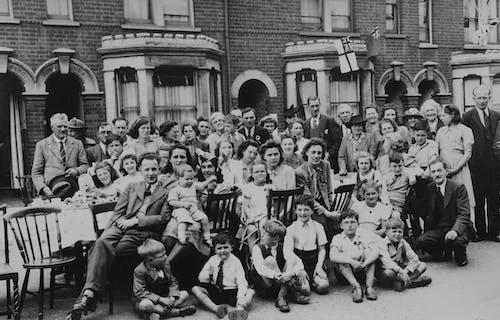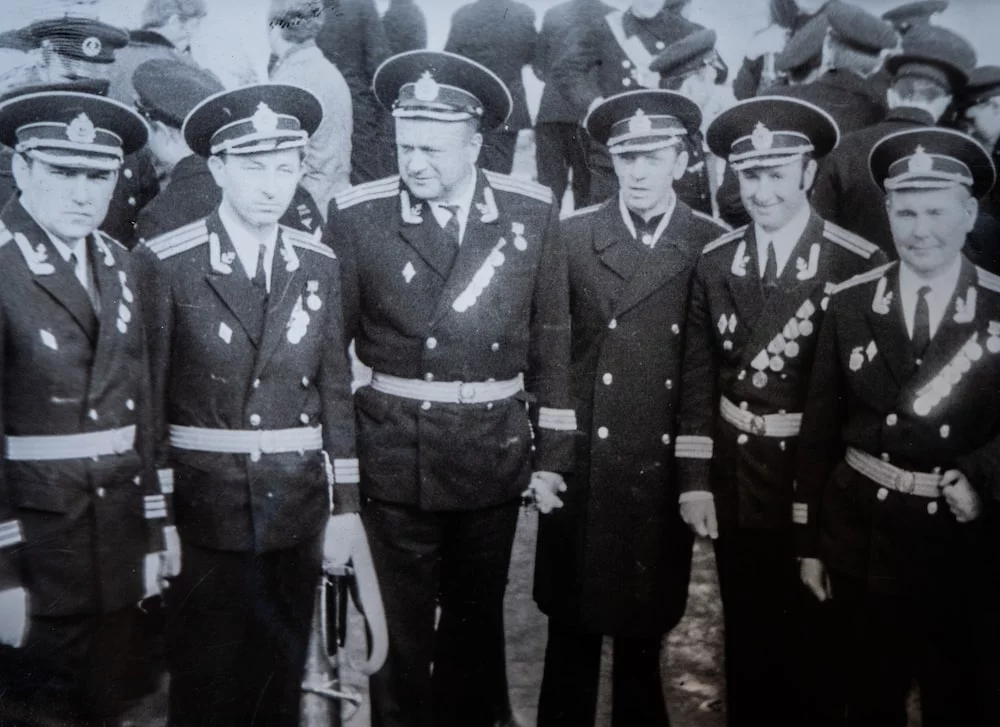
For many of us, our morning routine is more about scrolling through social media than reading the paper, right? However, up until a few decades ago, people used to start their day with newspapers, and just like we post our lives on social media actively, their life events were sometimes featured in newspapers of their day.
The first newspaper that was ever published goes all the way back to the ancient Romans in 59 BCE. Given that we’re obviously looking for ancestors that existed much more recently, it’s safe to assume that newspapers were a part of the societies they lived in.
Here are a few things you can learn about ancestors from those newspapers.
You Can Learn Details About Your Ancestor’s Death
Have you come across obituaries in present-day newspapers? That’s right; they still exist and have been around since the 1600s. However, obituaries became more common after the mid-1800s, so if you’re researching ancestors that lived in that period or afterward, you definitely have a good chance of finding their obituaries.
Obituaries are extremely helpful genealogy resources since they can offer a ton of detail about your ancestor’s life and death. For example, a standard obituary has your ancestor’s full name, the date and place of death, and sometimes even details about their birth, marriages, parents and children that are helpful clues that can lead you to other family members!
You May Find Their Wedding Details
Another thing you’ll find in older newspapers are wedding announcements. These aren’t extremely common today, but they were a big deal a few decades or centuries ago. These announcements differed significantly depending on when and where they were published.
Ideally, you should search using your ancestor’s name, and one of the following might pop up:
- An engagement announcement – these were made to announce the intent of a couple to get married. They typically mentioned the names of both individuals, their parents, and the intended date of the wedding.
- Alternatively, you might sometimes find a wedding announcement that was published after the wedding to let readers know that the couple was now married..
The Part of History They Were Living Through

When you’re researching newspapers, you have to be prepared for the very real possibility that you won’t find your ancestors in the newspaper archives.
This can feel like a bit of a downer, but it’s important not to give up on your newspaper research right away. If you know when and where your ancestor lived, you can still research the newspapers of the region to get a glimpse of the society they were living in. You might learn about the local politics or various events taking place in the area— and it’ll still help you put your ancestor’s life in a better context.
Also, if you need help with newspaper research or if you’re trying to find family history through genealogy, let our team help you out!
Our traditional genealogy services can help speed up your research process!